As pet owners continue to seek natural alternatives for enhancing their cats’ health, turmeric has emerged as a popular supplement. Known for its vibrant yellow hue and numerous health benefits in humans, this spice is gaining traction as a powerful health booster for our feline friends. In this article, we’ll explore the myriad benefits of turmeric for cats, backed by scientific research and anecdotal evidence.
What is Turmeric?

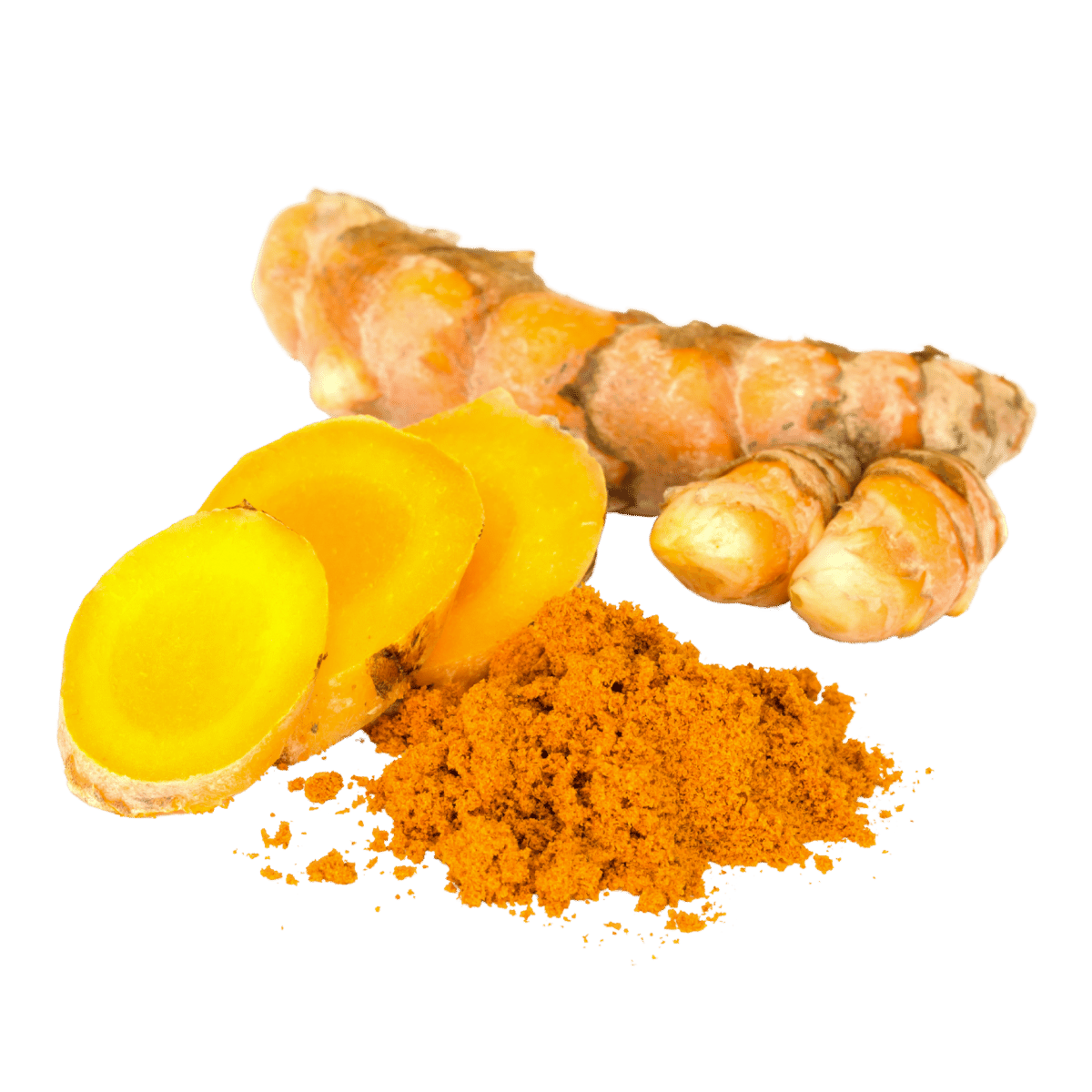
Turmeric is a flowering plant belonging to the ginger family, with its rhizomes being the part most commonly used. The active compound in turmeric, curcumin, is responsible for its anti-inflammatory, antioxidant, and antimicrobial properties. While turmeric is widely recognized for its health benefits in humans, research is increasingly supporting its use in veterinary medicine.
Health Benefits of Turmeric for Cats

Turmeric offers a range of potential health benefits for cats, making it a valuable addition to their diets. Here are some of the key advantages:
- Anti-Inflammatory Properties: Turmeric is renowned for its ability to reduce inflammation. In cats, chronic inflammation can lead to various health issues, including arthritis and other joint problems. A study published in the Journal of Animal Physiology and Animal Nutrition found that curcumin can significantly reduce inflammation markers in animals.
- Antioxidant Effects: Curcumin is a powerful antioxidant that helps protect cells from damage caused by free radicals. This property can be particularly beneficial for older cats or those with chronic illnesses, as it supports overall health and longevity.
- Supports Digestive Health: Turmeric can aid in digestion by stimulating bile production, which is essential for fat digestion. It can also help alleviate symptoms of gastrointestinal discomfort, such as gas and bloating.
- May Reduce Cancer Risk: Preliminary studies suggest that curcumin may inhibit the growth of cancer cells and reduce the risk of certain types of cancer in animals. While more research is needed, the potential is promising for preventive health.
- Boosts Immune Function: The anti-inflammatory and antioxidant properties of turmeric can enhance the immune system, helping your cat fend off infections and illnesses more effectively.
- Improves Skin Health: Turmeric can be used topically to promote healthy skin and coat. Its antibacterial properties can help with skin infections and allergies, while its anti-inflammatory effects can soothe irritated skin.
How to Introduce Turmeric into Your Cat’s Diet
While turmeric offers numerous benefits, it’s crucial to introduce it to your cat’s diet carefully. Here are some tips for incorporating turmeric safely:
- Consult Your Veterinarian: Before adding any supplement to your cat’s diet, consult your veterinarian, especially if your cat has underlying health issues or is on medication.
- Choose High-Quality Turmeric: Ensure that you are using high-quality, organic turmeric powder without additives or fillers.
- Start Small: Begin with a small amount, such as 1/8 teaspoon for an average-sized cat, and observe for any adverse reactions.
- Mix with Food: Turmeric can be mixed into your cat’s food or treats. Some cat owners find that mixing it with a little coconut oil or fish oil makes it more palatable.
- Monitor for Reactions: Keep an eye on your cat for any changes in behavior or health after introducing turmeric. If you notice any adverse effects, discontinue use and consult your vet.
Potential Side Effects and Considerations

While turmeric is generally safe for cats, it is essential to be aware of potential side effects and considerations:
- Gastrointestinal Upset: Some cats may experience digestive issues such as diarrhea or an upset stomach when introduced to turmeric.
- Blood Thinning Effects: Turmeric has blood-thinning properties, which can be a concern for cats undergoing surgery or those on anticoagulant medications.
- Allergic Reactions: Although rare, some cats may be allergic to turmeric. Look for signs of an allergic reaction, such as itching, swelling, or difficulty breathing.
Real-Life Examples and Case Studies

Numerous cat owners have reported positive outcomes after incorporating turmeric into their cats’ diets. Here are a few examples:
- Case Study 1: A 12-year-old cat suffering from arthritis showed significant improvement in mobility and reduced pain after being given turmeric supplements for three months. The owner noted a marked decrease in limping and an increase in playfulness.
- Case Study 2: A cat diagnosed with inflammatory bowel disease (IBD) experienced fewer flare-ups and improved digestion after turmeric was added to its diet. The owner reported that the cat’s appetite improved, and it gained weight.
- Case Study 3: An elderly cat with a history of skin allergies saw a reduction in itching and irritation after turmeric was applied topically and incorporated into its food. The owner noted a healthier coat and less frequent visits to the vet for skin-related issues.
Turmeric is a potent natural health booster that offers a multitude of benefits for cats. From reducing inflammation and supporting digestive health to enhancing immune function and potentially reducing cancer risk, this golden spice can play a significant role in your feline’s overall wellbeing. However, as with any supplement, it is crucial to consult with your veterinarian before introducing turmeric to your cat’s diet. By doing so, you can ensure that your furry friend receives the best possible care and enjoys the many advantages that turmeric has to offer. With careful consideration and monitoring, turmeric can be a valuable addition to your cat’s health regimen, promoting a happier, healthier life.