Red hot ointment has become a popular choice for those seeking relief from muscle pain, joint discomfort, and other inflammatory conditions. Known for its heating properties, this topical treatment often combines a variety of ingredients to provide both immediate and long-lasting relief. This article will delve into the key ingredients found in red hot ointments, their effects on the body, and some case studies that outline their efficacy. By the end, you will have a clearer understanding of how red hot ointments work and what to look for when choosing one.
Understanding Red Hot Ointment

Red hot ointment is typically used for its analgesic (pain-relieving) and anti-inflammatory properties. It is applied topically to the affected area, where it penetrates the skin to deliver relief directly to sore muscles and joints. Many people turn to red hot ointments as a natural alternative to oral pain medications, which can have undesirable side effects.
Key Ingredients in Red Hot Ointments
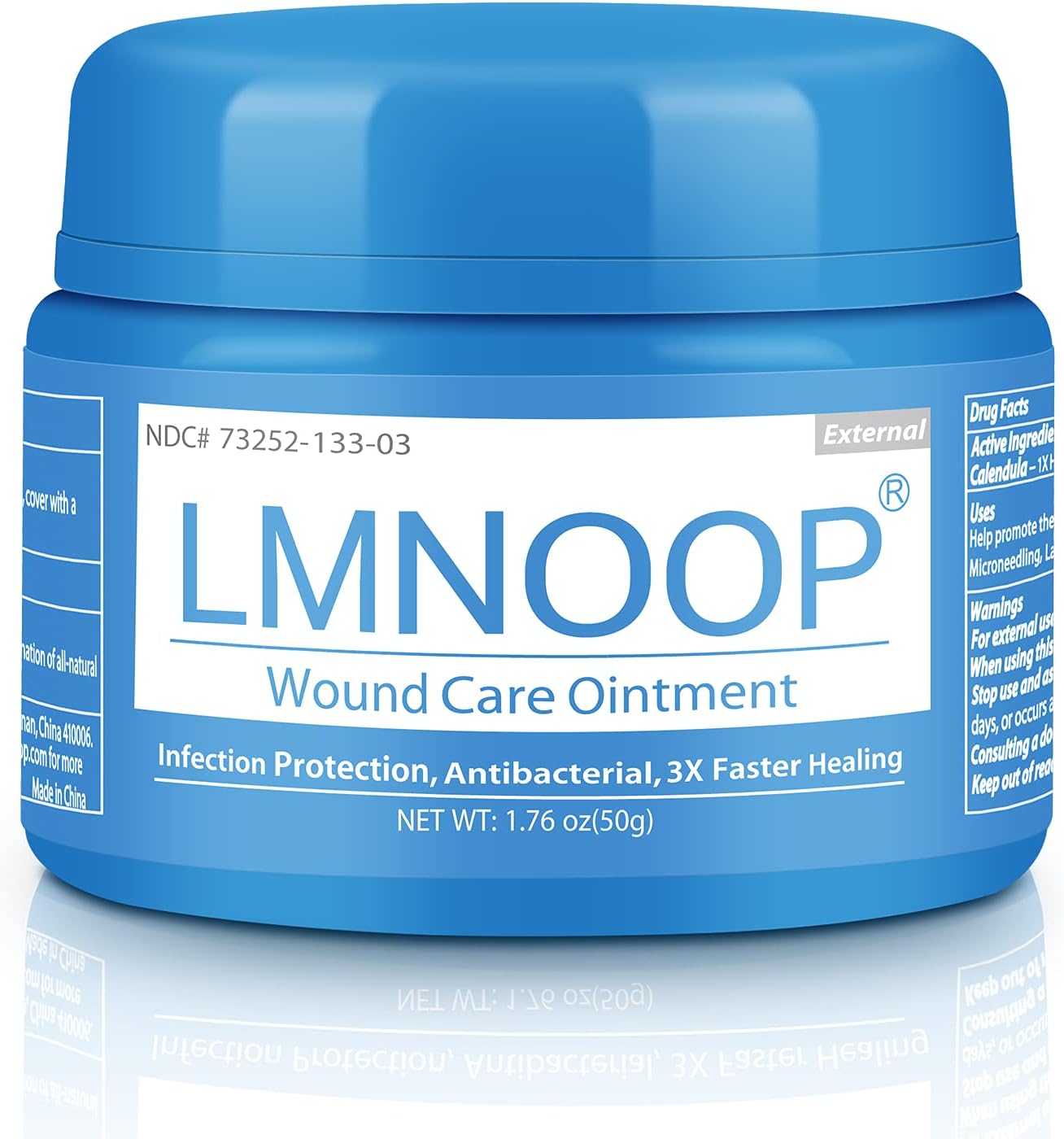
While brands and formulations may vary, several common ingredients are often found in red hot ointments. Here’s a closer look at these components and their therapeutic effects:
- Capsaicin: This active component is derived from chili peppers. Capsaicin is known for its ability to deplete substance P, a neurotransmitter that transmits pain signals to the brain. Studies have shown that topical capsaicin can significantly reduce pain in conditions like arthritis and neuropathy.
- Methyl Salicylate: Also known as wintergreen oil, methyl salicylate is a counterirritant that produces a warming sensation upon application. It helps to alleviate pain by causing the skin to feel warmer, which in turn distracts the body from deeper-seated pain. Its use is supported by various studies indicating its effectiveness in treating musculoskeletal conditions.
- Menthol: Extracted from peppermint oil, menthol provides a cooling effect initially, followed by a warming sensation. This dual action can help soothe pain and inflammation. Research indicates that menthol can also enhance the absorption of other active ingredients through the skin.
- Eucalyptus Oil: Known for its anti-inflammatory and analgesic properties, eucalyptus oil can help relieve muscle tension and pain. Its inclusion in red hot ointments can enhance the overall effectiveness of the formulation.
- Camphor: This natural compound is known for its warming effects and is often used to ease pain and inflammation. Camphor can also help improve blood circulation, which can assist in the healing process.
The Mechanism of Action
The effectiveness of red hot ointments primarily stems from their ability to alter the perception of pain and improve circulation to the affected area. Here’s how the active ingredients work together:
- Counterirritation: Ingredients like methyl salicylate and camphor create a sensation of warmth or coolness, distracting the brain from deeper pain.
- Reduced Pain Transmission: Capsaicin works at the nerve endings to diminish the transmission of pain signals. Regular use can lead to long-term pain relief.
- Improved Circulation: The warming effect increases blood flow to the area, promoting healing and reducing inflammation.
Case Studies and Evidence

Numerous studies have explored the efficacy of red hot ointments and their ingredients. Here are a few noteworthy examples:
- Study on Capsaicin: A double-blind study published in the “Archives of Internal Medicine” found that participants using capsaicin cream experienced a significant reduction in pain levels associated with osteoarthritis in the knee compared to those using a placebo.
- Methyl Salicylate Research: Research published in the “American Journal of Physical Medicine & Rehabilitation” revealed that topical methyl salicylate provided significant pain relief for patients suffering from lower back pain.
- Menthol’s Dual Action: A study in the “Journal of Pain Research” demonstrated that menthol not only helps with pain relief but also improves the absorption of other topical medications.
Who Can Benefit from Red Hot Ointment?

Red hot ointments are suitable for a wide range of individuals, including:
- Athletes: Those who engage in rigorous physical activities may experience muscle soreness and tension, making red hot ointments a convenient option for quick relief.
- Individuals with Chronic Pain: People suffering from conditions like arthritis or fibromyalgia may find red hot ointments helpful in managing their symptoms.
- Those with Acute Injuries: Sprains, strains, and other soft tissue injuries may respond well to the warming and pain-relieving effects of these ointments.
How to Use Red Hot Ointment Effectively

To maximize the benefits of red hot ointment, consider the following tips:
- Patch Test: Always perform a patch test on a small area of skin to check for allergic reactions before applying it to a larger area.
- Clean the Area: Make sure the skin is clean and dry before application to enhance absorption.
- Apply Sparingly: A small amount is often enough; excessive application may lead to skin irritation.
- Wash Hands: After application, wash your hands thoroughly to avoid transferring the product to sensitive areas like your eyes.
- Follow Instructions: Always read the product label for specific usage instructions and frequency of application.
Potential Side Effects

While red hot ointments can be highly effective, they may not be suitable for everyone. Potential side effects include:
- Skin Irritation: Some users may experience redness, burning, or stinging sensations at the application site.
- Allergic Reactions: Individuals allergic to any of the ingredients should avoid these products.
- Sensitivity: Prolonged use can lead to increased sensitivity or desensitization of the skin.
Red hot ointments offer a natural and effective way to alleviate pain and inflammation for many individuals. Understanding the key ingredients—such as capsaicin, methyl salicylate, menthol, eucalyptus oil, and camphor—and their mechanisms can empower users to make informed choices about their pain management strategies. As with any treatment, it is essential to use red hot ointments correctly and be aware of potential side effects. Always consult with a healthcare provider before starting any new treatment, especially if you have underlying health conditions or are taking other medications.
In summary, red hot ointments can be a valuable addition to your pain relief arsenal. With their unique blend of ingredients and proven efficacy, these topical treatments provide a practical alternative to oral medications, allowing many to lead a more active and pain-free life.