Evergreen trees are a staple in many landscapes, providing year-round greenery and serving as vital components in our ecosystems. However, to ensure these trees not only survive but thrive, proper fertilization is essential. This article delves into the best fertilizers for evergreen trees, discussing their nutritional needs, types of fertilizers available, and the best practices for application.
Understanding the Nutritional Needs of Evergreen Trees

Evergreen trees, such as pines, spruces, and firs, require a balanced supply of nutrients to maintain their health and vigor. Unlike deciduous trees that shed their leaves and enter dormancy, evergreens need a consistent supply of nutrients throughout the year. The three primary nutrients essential for their growth include:
- Nitrogen (N): Crucial for leaf and stem growth, nitrogen promotes lush green foliage.
- Phosphorus (P): Important for root development and flower production, phosphorus enhances overall plant vigor.
- Potassium (K): Aids in water regulation, disease resistance, and overall tree strength.
In addition to these macronutrients, evergreen trees also require various micronutrients, including iron, manganese, and zinc, to support their metabolic functions and overall health.
Types of Fertilizers for Evergreen Trees
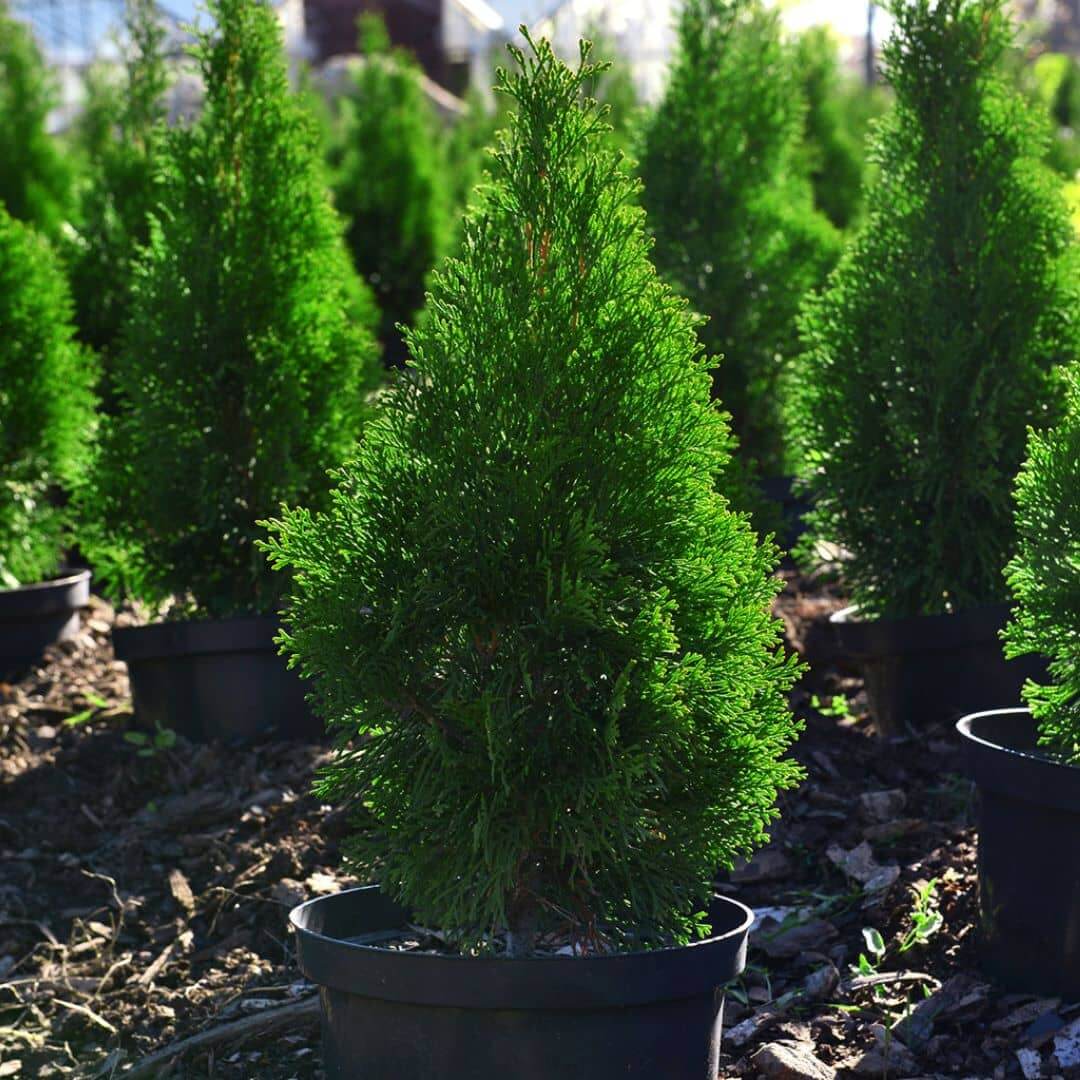
When it comes to fertilizing evergreen trees, there are two main categories of fertilizers: organic and synthetic. Each has its own advantages and considerations.
Organic Fertilizers
Organic fertilizers are derived from natural sources and are generally more sustainable. They improve soil health and structure while providing a slow release of nutrients. Some popular organic options include:
- Compost: Rich in nutrients and beneficial microorganisms, compost enhances soil fertility and improves moisture retention.
- Bone Meal: A slow-release phosphorus source, bone meal is excellent for promoting root development.
- Fish Emulsion: This liquid fertilizer provides a balanced mix of nutrients and is particularly beneficial for young trees.
- Seaweed Extract: Rich in micronutrients and growth hormones, it helps improve overall tree health and resilience.
Synthetic Fertilizers
Synthetic fertilizers are chemically formulated to provide immediate nutrient availability. They come in various formulations, such as granular and liquid. Popular synthetic fertilizers for evergreens include:
- 10-10-10 Fertilizer: A balanced option providing equal parts nitrogen, phosphorus, and potassium.
- Osmocote: A slow-release granular fertilizer that feeds over several months, ideal for container-grown evergreens.
- Urea: A high-nitrogen option that promotes rapid growth but should be used cautiously to prevent burn.
Best Practices for Fertilizing Evergreen Trees
Timing, method, and quantity are critical factors to consider when fertilizing evergreen trees. Here are some best practices to ensure effective fertilization:
1. Timing of Application
The best time to fertilize evergreen trees is in early spring, just as the new growth begins. This timing allows the tree to utilize the nutrients as they start to grow. Additionally, a second application can be made in late summer if necessary.
2. Method of Application
There are different methods to apply fertilizers, including:
- Broadcasting: Spread granular fertilizers evenly around the base of the tree, ensuring it reaches the root zone.
- Drilling: For established trees, drill holes around the tree and fill them with fertilizer to deliver nutrients directly to the roots.
- Liquid Fertilizers: Dilute liquid fertilizers according to instructions and apply them directly to the soil or as a foliar spray.
3. Quantity of Fertilizer
Over-fertilization can harm trees and lead to nutrient runoff. A general rule of thumb is to apply the manufacturer’s recommended rate based on the tree’s age and size. For instance:
- Young trees (1-3 years): 0.5 to 1 pound of nitrogen per year.
- Mature trees (4+ years): 1 to 2 pounds of nitrogen per year.
Case Studies and Examples
Understanding real-world applications of fertilizer can provide valuable insights. Consider the following case studies:
Case Study 1: A Pine Tree Nursery
A pine tree nursery in Oregon implemented a fertilization schedule using organic compost and fish emulsion. Over two growing seasons, the nursery reported a 30% increase in tree height and a 40% improvement in root mass compared to trees that received no fertilizer. This case highlights the effectiveness of organic fertilizers in promoting healthy growth.
Case Study 2: Urban Landscaping
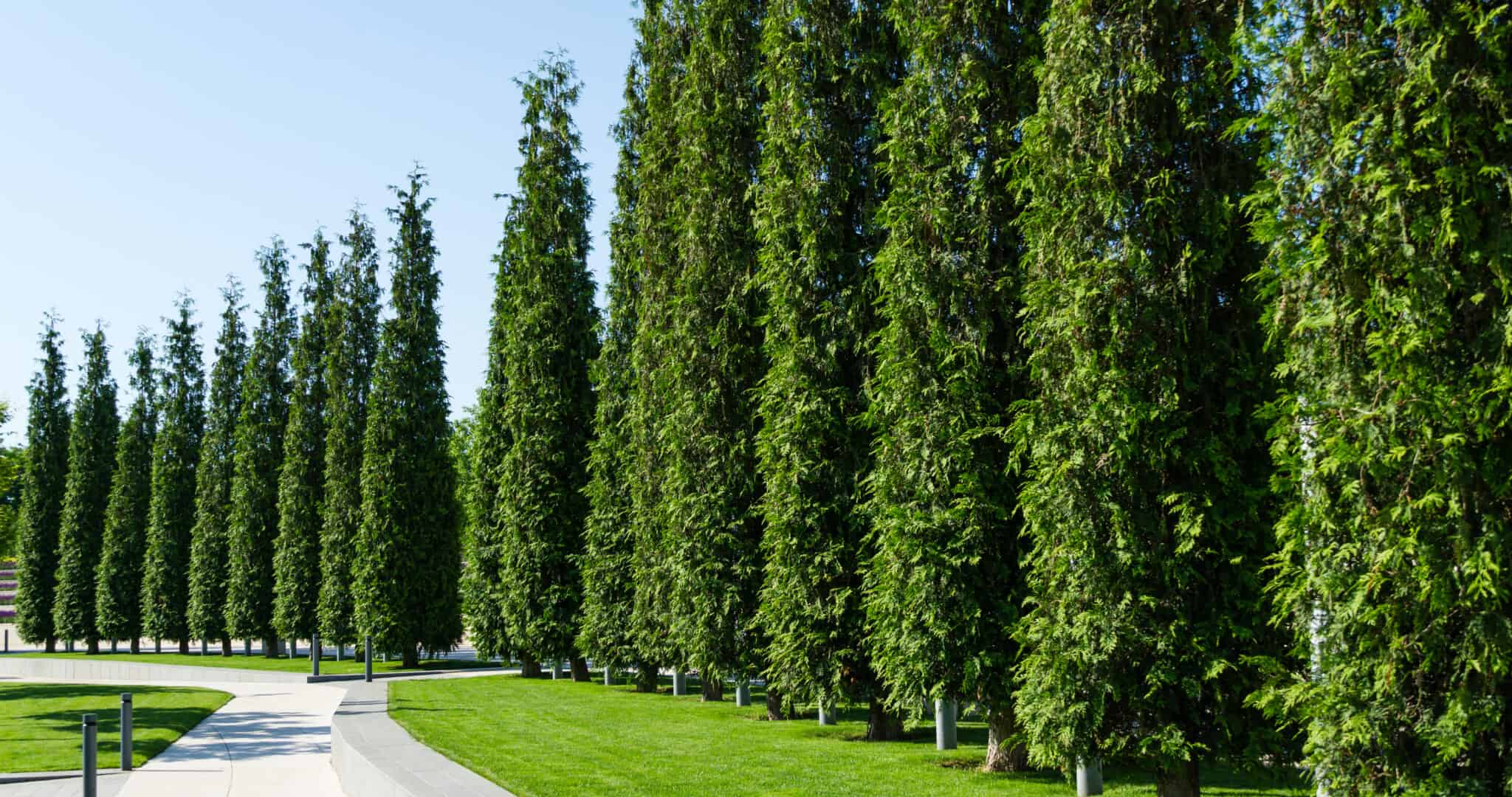
An urban landscaping project in New York City utilized a combination of synthetic and organic fertilizers to maintain evergreen trees in public parks. By alternating between a slow-release synthetic fertilizer and liquid seaweed extract, the city observed a reduction in tree stress levels and a noticeable improvement in foliage color and density over three years.
Environmental Considerations
While fertilizers are crucial for the health of evergreen trees, it is important to consider their environmental impact. Excessive use of synthetic fertilizers can lead to nutrient runoff, which can pollute waterways and harm aquatic ecosystems. Here are some strategies to minimize negative effects:
- Use slow-release fertilizers to reduce nutrient leaching.
- Implement soil testing to determine nutrient needs accurately.
- Apply fertilizers during dry weather to prevent runoff during rain.
Fertilizing evergreen trees is essential for their growth and health. By understanding their nutritional needs and applying the right fertilizers at the appropriate times, you can ensure your evergreens thrive. Whether you choose organic or synthetic fertilizers, the key is to follow best practices for application and management. As demonstrated through various case studies, proper fertilization not only enhances the beauty of landscapes but also contributes to the overall health of our environment. Remember, a nourished evergreen tree is a resilient tree, ready to face the challenges of changing seasons and climate.