Birdwatching is a delightful hobby that connects individuals with nature and promotes a sense of tranquility. Whether you’re an experienced birdwatcher or a beginner, attracting birds to your backyard can enhance your experience significantly. One of the most effective ways to do this is by using wild bird seed. In this article, we will explore how to maximize your birdwatching experience with 20 pounds of wild bird seed, providing you with practical tips and strategies to attract a diverse range of bird species.
Understanding Bird Seed: Types and Their Benefits

Before diving into how to use your bird seed effectively, it’s essential to understand the different types of bird seed available in the market. Each type attracts various bird species, and knowing which seed to use can significantly impact your birdwatching experience.
- Sunflower Seeds: Perhaps the most popular choice, sunflower seeds attract a wide variety of birds, including cardinals, chickadees, and finches. Black oil sunflower seeds are particularly favored for their high oil content.
- Safflower Seeds: These seeds are less appealing to squirrels but attract cardinals, doves, and some finches. They are an excellent choice if you want to keep pesky critters at bay.
- Nyjer (Thistle) Seeds: Nyjer seeds are tiny and are loved by finches, especially American goldfinches and house finches. Using a thistle feeder can help you attract these beautiful birds.
- Millet: White proso millet is a favorite among ground-feeding birds such as juncos, sparrows, and doves. This seed can be scattered on the ground or placed in a feeder.
- Peanuts: Offering peanuts (in the shell or shelled) can attract blue jays, woodpeckers, and even some nuthatches.
Setting Up Your Bird Feeding Station

Once you’ve selected the right seeds, the next step is to create an inviting environment for your feathered friends. Here are some tips for setting up your bird feeding station:
- Choose the Right Location: Place your feeders near trees or shrubs that provide cover. Birds feel safer when they can quickly escape from predators.
- Use Multiple Feeders: Different species prefer different feeding styles. Use a variety of feeders, such as tube feeders for small seeds and platform feeders for larger seeds.
- Keep Feeders Clean: Regularly clean your feeders to prevent the spread of disease. A mixture of hot water and vinegar is effective for cleaning.
- Provide Fresh Water: A birdbath or shallow dish of water can attract birds, especially during hot weather. Ensure the water is refreshed regularly to keep it clean.
- Consider the Time of Year: Different seasons bring different bird species. For example, during migration seasons, you may see a surge in various birds visiting your feeders.
Strategically Using Your 20 Pounds of Bird Seed
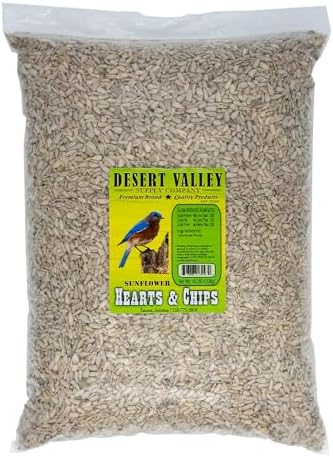
With 20 pounds of wild bird seed at your disposal, it’s crucial to use it wisely to maximize your birdwatching experience. Here are some strategies to consider:
1. Create a Feeding Schedule

Birds have specific feeding times, and establishing a routine can help you observe them better. Consider the following:
- Feed in the early morning and late afternoon, as these are peak activity times for many species.
- Monitor seed consumption to adjust your feeding schedule for optimal bird visits.
2. Mix Seeds for Variety
By mixing different types of seeds, you can attract a broader range of species. For example:
- Mix sunflower seeds with safflower seeds to attract both cardinals and finches.
- Add peanuts to a seed mix to entice woodpeckers and jays.
3. Experiment with Feeding Techniques

Different birds prefer different feeding styles. Experiment with the following:
- Scatter seeds on the ground for ground-feeding birds.
- Use platform feeders for larger birds and tube feeders for smaller species.
Attracting Specific Bird Species
Depending on your location and the types of seeds you choose, you can attract specific bird species. Here are some tips for attracting popular backyard birds:
Attracting Finches

Finches, such as goldfinches and house finches, love Nyjer seeds. Use a specialized thistle feeder to attract them effectively.
Attracting Woodpeckers
Woodpeckers are attracted to suet and peanuts. Consider offering a suet feeder during the colder months when natural food sources are scarce.
Attracting Cardinals
Cardinals are drawn to safflower seeds and sunflower seeds. Provide a feeder with a platform for them to perch comfortably.
Case Study: Birdwatching in Action
Let’s look at a hypothetical case study of a birdwatcher named Emily, who decided to utilize her 20 pounds of wild bird seed effectively:
Emily lives in a suburban area surrounded by deciduous trees, making it an ideal location for birdwatching. She purchased a mix of black oil sunflower seeds and Nyjer seeds. After setting up multiple feeders at varying heights and distances from cover, she recorded the following:
- In the first week, Emily attracted over 15 different bird species, including cardinals, goldfinches, and blue jays.
- By maintaining a feeding schedule and refreshing her feeders daily, she noticed an increase in bird activity.
- Emily also documented unique behaviors, such as the way goldfinches would cling to the thistle feeder, showcasing their acrobatic skills.
This case study illustrates the potential for diversity and engagement in backyard birdwatching when using bird seed strategically.
Monitoring and Enjoying Your Birdwatching Experience
To truly maximize your birdwatching experience, consider the following tips for monitoring and enjoyment:
- Keep a Bird Journal: Document the species you see, their behavior, and the time of day. This can enhance your appreciation and understanding of local birdlife.
- Use Binoculars: Invest in a good pair of binoculars to get a closer look at your feathered friends without disturbing them.
- Join Birdwatching Communities: Engage with local birdwatching groups or online forums to share experiences, tips, and sightings.
Maximizing your birdwatching experience with 20 pounds of wild bird seed is not only about attracting birds but also about creating a harmonious environment that promotes observation and appreciation of nature. By understanding the types of seeds available, setting up an inviting feeding station, and employing strategic techniques, you can attract a diverse array of bird species to your backyard. Remember to keep a journal to document your experiences and share your passion with others. With patience and dedication, your birdwatching journey can be both fulfilling and educational, offering a unique window into the vibrant world of avian life.