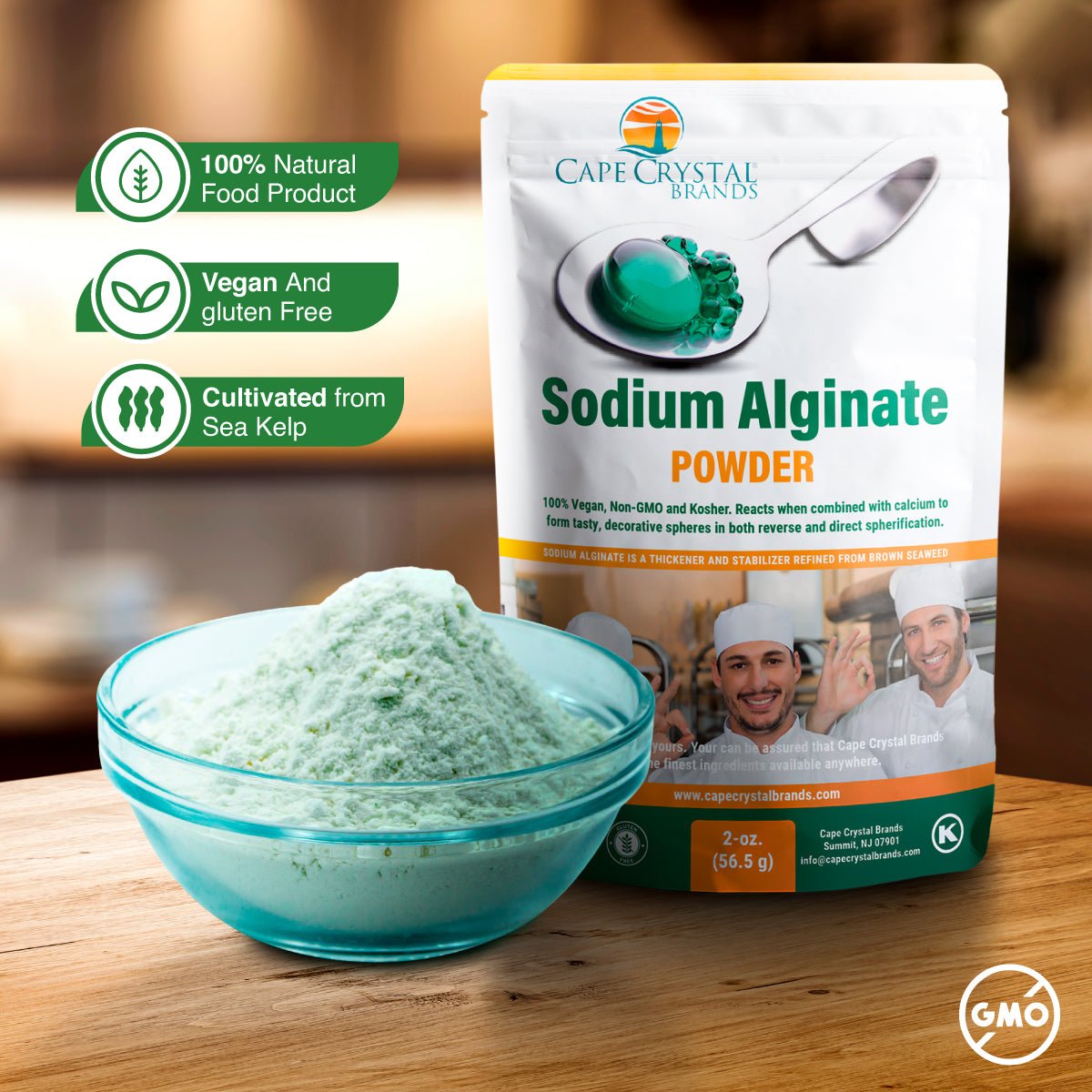
Alginate molding powder, derived from brown seaweed, has become a staple in various creative disciplines, including life casting and crafts. Its versatility and ease of use make it an ideal material for artists and hobbyists alike. This article delves into the myriad ways alginate can be used in creative projects, from capturing intricate details in life casting to innovative crafting techniques.
What is Alginate Molding Powder?
Alginate is a natural polysaccharide that forms a gel when mixed with water. Its primary applications are in the medical and food industries, but its unique properties have led to its adoption in the arts. Alginate is non-toxic, biodegradable, and safe for skin contact, making it perfect for creating molds of body parts and other objects.
The Science Behind Alginate
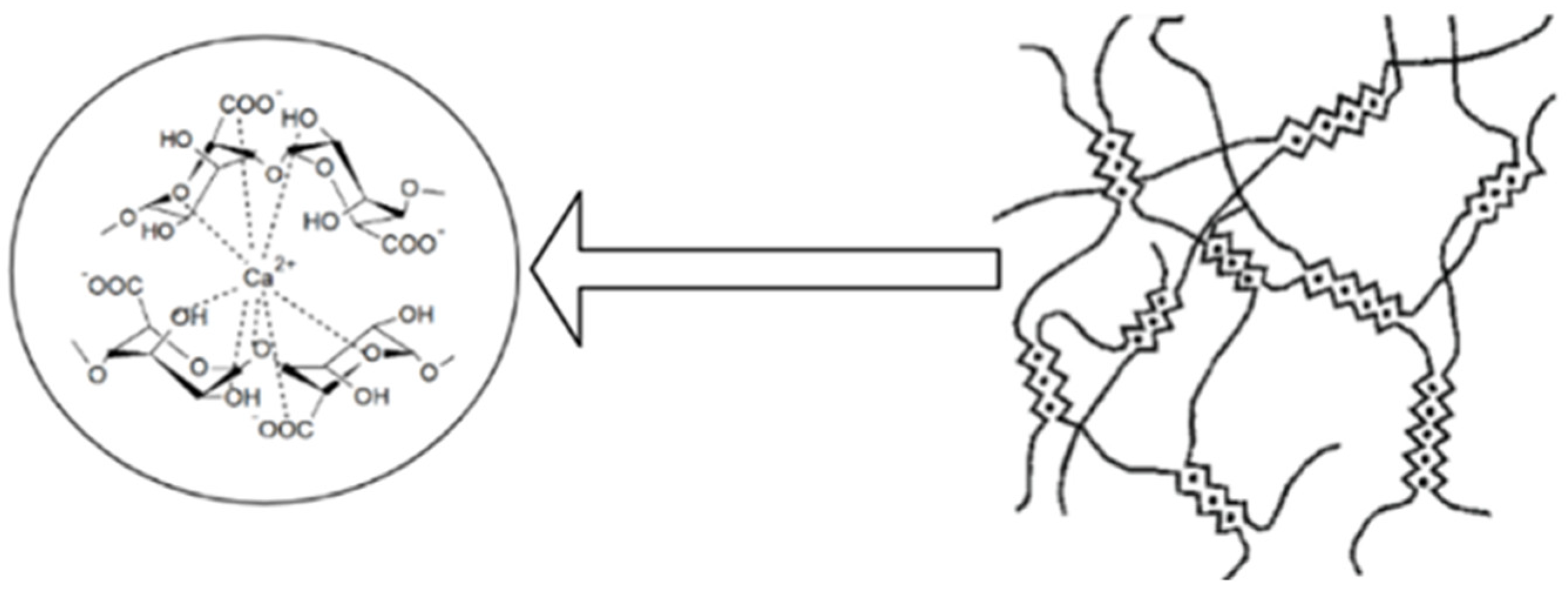
Alginate works through a process called ionic gelation. When mixed with water, the powder forms a viscous solution that can capture fine details. Upon the addition of a calcium salt (commonly calcium sulfate), the alginate undergoes a rapid gelation process, solidifying into a mold that retains the exact shape of the original object. This property is what makes alginate a favored choice for life casting.
Life Casting: Creating Lasting Memories
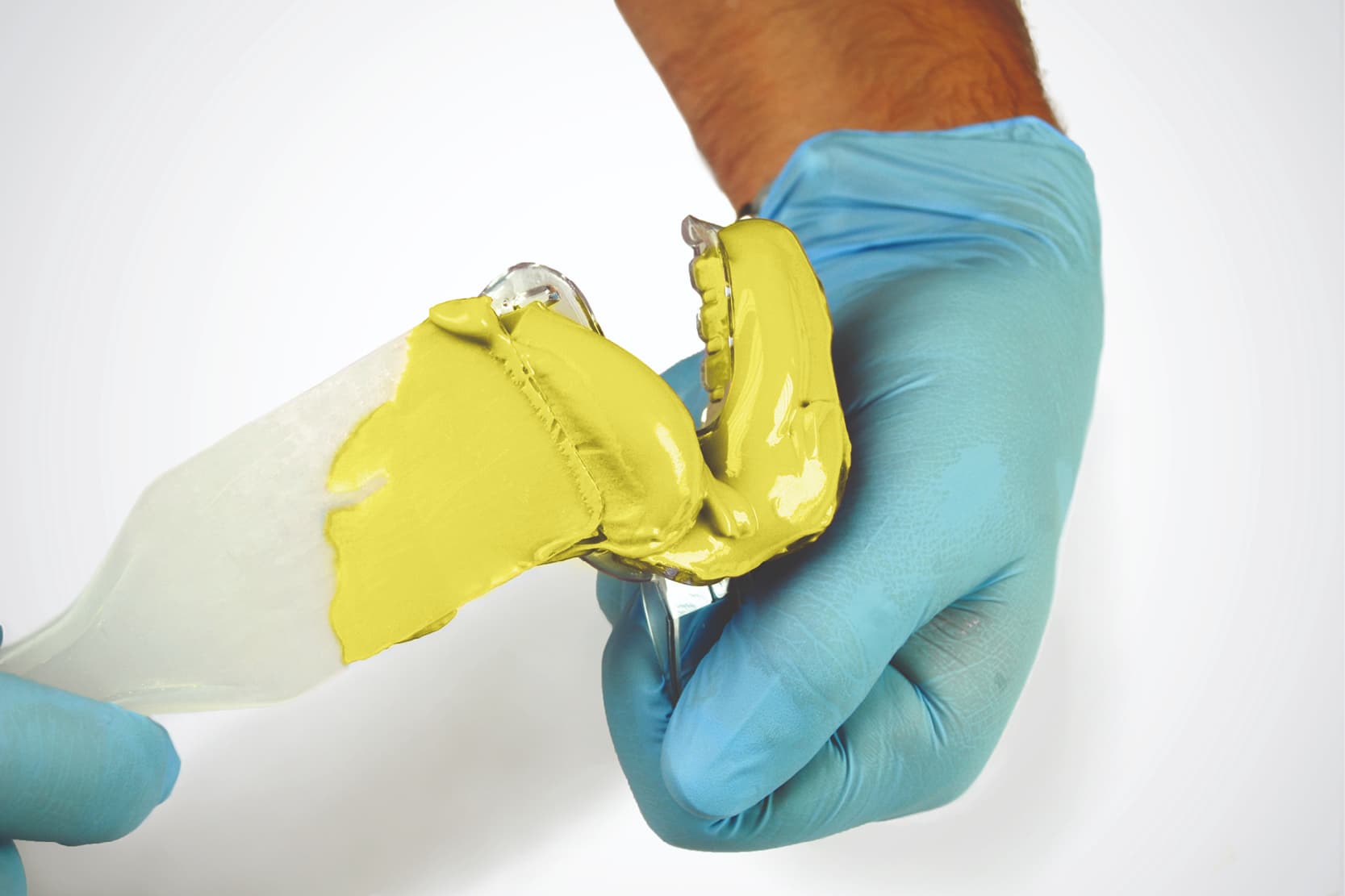
Life casting is the art of creating a three-dimensional replica of a living person or body part. Alginate is particularly popular for this application due to its fine detail capture and skin-friendliness.
Step-by-Step Process of Life Casting with Alginate
Here’s how to create a life cast using alginate:
- Gather Materials: You will need alginate powder, a mixing bowl, water, a container for the mold, and plaster for the final cast.
- Prepare the Area: Ensure the workspace is clean and covered to prevent mess.
- Mix the Alginate: Combine alginate powder with water according to the package instructions, usually at a 1:1 ratio.
- Apply the Alginate: For body parts, apply the alginate directly; for larger areas, have the subject submerged.
- Let it Set: Allow the alginate to gel, usually around 5-10 minutes, depending on the thickness.
- Remove the Mold: Carefully peel away the alginate to reveal the impression.
- Cast the Final Product: Pour plaster or resin into the alginate mold to create a durable replica.
Case Study: A Family Keepsake
A family in Oregon decided to create a life cast of their newborn baby’s hand. Using alginate, they captured the intricate details of the tiny fingers, which they later turned into a beautiful plaster sculpture. This sentimental piece not only serves as a keepsake but also as a testament to the fleeting nature of childhood, beautifully preserved for years to come.
Creative Crafts with Alginate
Beyond life casting, alginate powder can be utilized in various craft projects. Its unique properties allow artists to think outside the box and create stunning works of art.
1. Decorative Plaster Molds
Alginate can be used to create molds for decorative items such as candle holders, coasters, or even sculptures. The process is similar to life casting, but instead of body parts, you can cast objects like leaves or figurines.
2. Jewelry Making
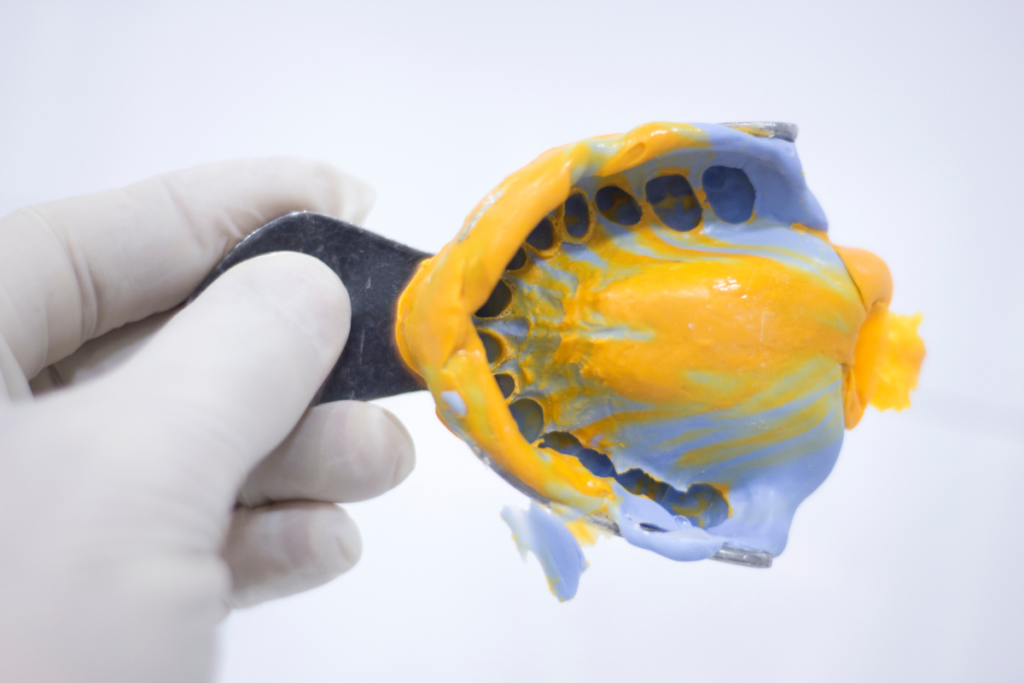
Alginate molds can be perfect for creating unique jewelry pieces. By capturing intricate designs, crafters can create molds for pendants, earrings, and bracelets.
How to Create Jewelry Molds with Alginate
- Select the Item: Choose a small item or design you wish to replicate.
- Prepare the Alginate: Mix the alginate with water and follow the same steps as life casting.
- Pour Resin: Once the mold is created, pour resin into it to form the jewelry piece.
- Finishing Touches: Once the resin cures, sand and polish the piece for a professional finish.
3. Props for Cosplay and Theatrical Use
Alginate can be used to create realistic molds for cosplay and theatrical props. From masks to armor pieces, the flexibility of alginate allows for dynamic designs that can be tailored to the performer’s needs.
Durability and Limitations of Alginate
While alginate is an excellent material for creating molds, it does have some limitations. Understanding these can help in planning your projects effectively.
- Short Shelf Life: Alginate molds have a limited working time, typically less than 30 minutes before they begin to break down.
- Not Reusable: Once an alginate mold is used, it cannot be reused for casting again.
- More Suitable for Short-Term Uses: Alginate molds are best for projects requiring immediate casting due to their fragility.
Statistics and Trends in Alginate Use
According to a survey conducted by the International Society of Life Casting, over 60% of artists reported using alginate for life casting in various applications. The rising interest in personalized art and keepsakes has driven this trend, with many workshops and classes focused on teaching alginate techniques. As the DIY culture continues to grow, alginate crafts are expected to become increasingly popular in home crafting projects.
Embracing the Versatility of Alginate
Alginate molding powder is a versatile and creative material that opens up a world of possibilities for artists and crafters. From capturing the delicate details of life casting to creating unique jewelry and props, alginate empowers individuals to express their creativity in tangible ways. While it has its limitations, the benefits far outweigh them, especially for projects requiring precision and immediate results. As the popularity of alginate continues to rise, more and more innovative uses are likely to emerge, inviting crafters of all levels to explore the endless possibilities.
In summary, whether you’re looking to create a heartfelt keepsake or delve into intricate crafts, alginate molding powder is a valuable tool that can help bring your creative visions to life.