Induction heating is a highly efficient process used in various applications, from metal hardening to cooking. At the core of this process is the induction heating coil, which plays a crucial role in determining the effectiveness and efficiency of the heating. Choosing the right coil for your specific application is essential for optimizing performance and achieving desired results. In this article, we will explore the factors to consider when selecting an induction heating coil, the types available, and provide illustrative examples to guide your decision-making.
Understanding Induction Heating
Before diving into the specifics of induction heating coils, it’s important to understand the basic principles of induction heating. This method relies on electromagnetic induction to generate heat in a conductive material. The process involves three key components:
- Induction Coil: A copper coil that generates a magnetic field when an alternating current passes through it.
- Workpiece: The material to be heated, typically a metal that conducts electricity.
- Power Supply: Provides the necessary current to the induction coil.
When the power supply energizes the induction coil, it creates a magnetic field that induces an electric current in the workpiece. The resistance of the metal to this induced current generates heat, allowing for rapid and efficient heating.
Factors to Consider When Choosing an Induction Heating Coil
Selecting the right induction heating coil involves considering several key factors that influence performance and compatibility with your application:
1. Coil Design
The design of the coil is critical for achieving uniform heating and efficiency. The main types of coil designs include:
- Solenoid Coils: Simple coils that are effective for heating small, cylindrical workpieces.
- Helical Coils: Provide more uniform heating and are suitable for larger workpieces.
- Flat Coils: Ideal for heating flat surfaces or for applications requiring precise control.
Choosing the appropriate coil design will depend on the shape and size of the workpiece you are heating.
2. Frequency

Induction heating operates at various frequencies, which significantly impact the depth of heating and efficiency:
- Low Frequency (1-10 kHz): Best for thicker materials and applications requiring deeper heating.
- Medium Frequency (10-100 kHz): Commonly used for general heating applications.
- High Frequency (100 kHz and above): Ideal for thin materials and surface hardening.
Selecting the correct frequency is essential for optimizing heating times and achieving desired thermal effects.
3. Size and Geometry

The size and geometry of the coil must match the workpiece to ensure effective heating. A coil that is too small may not heat the workpiece evenly, while one that is too large may waste energy and reduce efficiency. Consider the following aspects:
- Coil Diameter: Should closely match the diameter of the workpiece for optimal heating.
- Coil Length: Longer coils may be needed for larger workpieces to ensure uniformity.
- Coil Shape: Should accommodate the specific geometry of the workpiece, such as curves or edges.
4. Material Compatibility
The material of the workpiece greatly influences the choice of the coil. Different metals have varying electrical conductivity and magnetic properties, which affect heating efficiency. Consider:
- Conductivity: Materials like copper and aluminum heat more quickly than steel.
- Magnetic Properties: Ferromagnetic materials respond better to induction heating compared to non-ferromagnetic materials.
Examples and Applications
Understanding how various factors play out in real applications can provide clarity when selecting an induction heating coil. Here are a few case studies illustrating different coil choices:
Case Study 1: Metal Hardening

A manufacturer of automotive parts needed to harden steel components using induction heating. They opted for a helical coil design operating at a medium frequency of 20 kHz. This choice allowed them to achieve the necessary surface hardness without compromising the integrity of the underlying metal, resulting in improved wear resistance in their products.
Case Study 2: Brazing Applications
A company specializing in metal joining techniques required a coil to heat copper and brass components quickly for brazing. By selecting a low-frequency solenoid coil, they were able to achieve rapid heating of the parts, which significantly reduced processing time and increased production efficiency.
Case Study 3: Cooking Applications

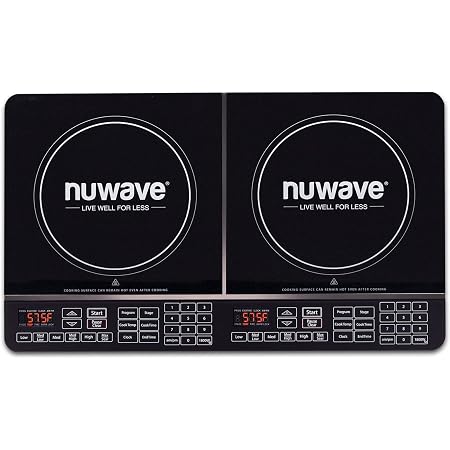
Induction cooktops utilize flat coils to provide precise heating for cookware. The design ensures that only the pot or pan gets heated, leading to energy savings and improved safety. The use of high-frequency coils allows for quick adjustments in temperature, making it ideal for culinary needs.
Statistics and Trends in Induction Heating
The induction heating market is projected to grow significantly, driven by its efficiency and precision. According to a report by Grand View Research, the global induction heating equipment market was valued at approximately $1.21 billion in 2020 and is expected to grow at a CAGR of 9.1% from 2021 to 2028. This growth reflects the increasing adoption of induction heating across various industries.
Furthermore, studies have shown that induction heating can be up to 90% efficient compared to traditional heating methods, making it a preferred choice for many manufacturers seeking to reduce energy costs.
Choosing the right induction heating coil is a crucial step in optimizing the efficiency and effectiveness of your heating applications. By understanding the coil design, frequency, size, geometry, and material compatibility, you can make informed decisions that enhance performance and reduce costs.
As illustrated in the case studies, the right coil selection can lead to significant improvements in production efficiency and product quality. With the growing adoption of induction heating technology across various sectors, now is the perfect time to evaluate your needs and invest in the right induction heating coil for your specific application.
In summary, take the time to assess your requirements, analyze your workpiece characteristics, and explore the latest trends in induction heating to ensure you make the best choice for your application.