As the sun sets and the shadows lengthen, stories of haunted houses come alive, drawing in the adventurous and the curious alike. One such tale is that of the infamous Whiskers and Squeaks, a haunted house that has become a local legend. This article delves into the eerie history, spine-chilling experiences, and psychological aspects of haunted houses, providing insights into why we are drawn to places that send shivers down our spines.
The History of Haunted Houses
Haunted houses have fascinated humans for centuries. The concept of spirits lingering in the physical realm has roots in folklore, literature, and even religion. The term “haunted” derives from the Old English word “haunt,” meaning to frequent a place. This phenomenon can be traced back to ancient civilizations, where it was believed that the souls of the departed could return to the living world. Some notable points in history include:
- Ancient Egypt: The practice of mummification was intended to help the deceased navigate the afterlife, suggesting a belief in the importance of spirits.
- Medieval Europe: Ghost stories became prevalent, often intertwined with religious beliefs about purgatory and the afterlife, leading to an increased interest in haunted locations.
- Victorian Era: The rise of spiritualism brought about a fascination with ghosts, resulting in haunted house tours and theatrical ghost stories.
These cultural backgrounds form the foundation for modern-day haunted house attractions, which combine entertainment with a touch of fear.
The Legend of Whiskers and Squeaks
.jpg)
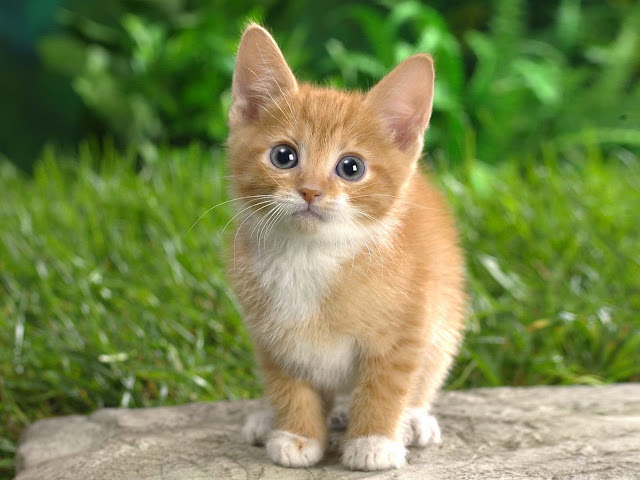
In a small town nestled between rolling hills, the Whiskers and Squeaks haunted house stands as a testament to local lore. Originally built in the late 1800s, this Victorian-style mansion has been the subject of numerous ghost sightings and unexplained phenomena. The name “Whiskers and Squeaks” is derived from the local legend of a pair of mischievous spirits: a cat named Whiskers and a mouse named Squeaks, who are said to roam the halls, causing playful havoc.
According to local reports, visitors have encountered:
- Mysterious sounds: Echoes of soft meows and squeaks have been heard, often accompanied by the sensation of being watched.
- Cold spots: Areas of the house where a sudden drop in temperature is felt, suggesting the presence of a spirit.
- Objects moving: Unexplained movements of furniture and decor, leading to theories about the playful nature of the spirits.
The legends surrounding Whiskers and Squeaks have attracted ghost hunters, thrill-seekers, and curious locals, all eager to experience the supernatural for themselves.
Psychological Aspects of Haunted Houses
Why are we so attracted to haunted houses? The answer lies in our psychology. Haunted houses create a unique blend of fear and fascination, tapping into our primal instincts. Here are some psychological factors that contribute to our attraction to these eerie places:
- Curiosity: Humans are naturally curious beings, and the unknown often draws us in, prompting us to seek answers.
- Adrenaline rush: The thrill of fear can produce a rush of adrenaline, leading to feelings of exhilaration and excitement.
- Social bonding: Experiencing fear with others can strengthen social connections, making haunted houses a popular group activity.
Studies have shown that exposure to fear can evoke positive emotions once the threat has passed, contributing to the overall enjoyment of haunted attractions. In fact, a study published in the Journal of Experimental Psychology found that experiencing fear can enhance our mood and increase feelings of happiness.
Case Studies: Real-Life Haunted House Experiences
Several documented cases highlight the allure of haunted houses, particularly those with rich histories. One such example is the Winchester Mystery House in California, known for its architectural oddities and ghostly encounters. Visitors have reported:
- Disembodied voices and footsteps.
- Doors that open and close on their own.
- Strange apparitions appearing in photographs.
Another notable case is the Bell Witch Cave in Tennessee, famed for its origins in the Bell family haunting. Here, visitors have claimed to experience:
- Physical sensations of being touched.
- Unexplained sounds echoing through the cave.
- Visions of ghostly figures.
These case studies serve to illustrate the enduring fascination with haunted locations, reinforcing the belief that some places are indeed touched by the supernatural.
How to Experience Whiskers and Squeaks

For those daring enough to visit Whiskers and Squeaks, here are some tips to enhance your spooky adventure:
- Visit at night: The atmosphere is heightened after dark, adding to the overall experience.
- Bring a flashlight: Not only useful for navigating the house, but it can also create dramatic shadows and enhance the sense of mystery.
- Go with friends: Sharing the experience can amplify the excitement and reduce feelings of fear.
- Keep an open mind: Whether you believe in ghosts or not, embracing the experience fully can lead to unexpected enjoyment.
Furthermore, documenting your experiences through journaling or photography can provide a lasting memory of your haunted adventure.
The Whiskers and Squeaks haunted house is more than just a spooky tale; it represents a rich tapestry of history, psychology, and social interaction. The allure of haunted houses lies in our innate curiosity and the thrill of confronting fear. As we delve into the mysteries of places like Whiskers and Squeaks, we tap into our desire for adventure and connection, making the experience all the more memorable.
Whether you are a skeptic or a believer, the stories of haunted houses continue to captivate our imaginations, inviting us to explore the unknown. So gather your friends, grab a flashlight, and embark on your own spooky adventure—you never know what you might encounter in the shadows!