Ultraviolet (UV) light and blacklight are fascinating phenomena that intrigue scientists and hobbyists alike. While they are often associated with fun parties and neon colors, the science behind these types of light delves deep into the electromagnetic spectrum, atomic interactions, and even biological effects. This article aims to unravel the complexities of UV and blacklight, exploring their properties, applications, and implications in various fields.
The Electromagnetic Spectrum: Where UV and Blacklight Fit In
The electromagnetic spectrum is a continuum of all electromagnetic waves arranged according to frequency and wavelength. It includes a variety of waves, from radio waves to gamma rays, with visible light occupying a small portion of this spectrum. UV light falls just beyond the visible spectrum, with wavelengths ranging from 10 nm to 400 nm. Blacklight, on the other hand, is a specific type of UV light that emits primarily UVA (315-400 nm) radiation.
Understanding UV Light
UV light is subdivided into three main categories based on wavelength:
- UVA (320-400 nm): The least harmful type of UV radiation, UVA penetrates the skin more deeply and is primarily responsible for skin aging and DNA damage.
- UVB (280-320 nm): This type is more energetic and can cause sunburn. It plays a significant role in the development of skin cancer.
- UVC (100-280 nm): The most harmful type, UVC is absorbed by the Earth’s atmosphere and does not generally reach the surface. However, artificial sources can produce UVC, making it useful in sterilization practices.
The Nature of Blacklight
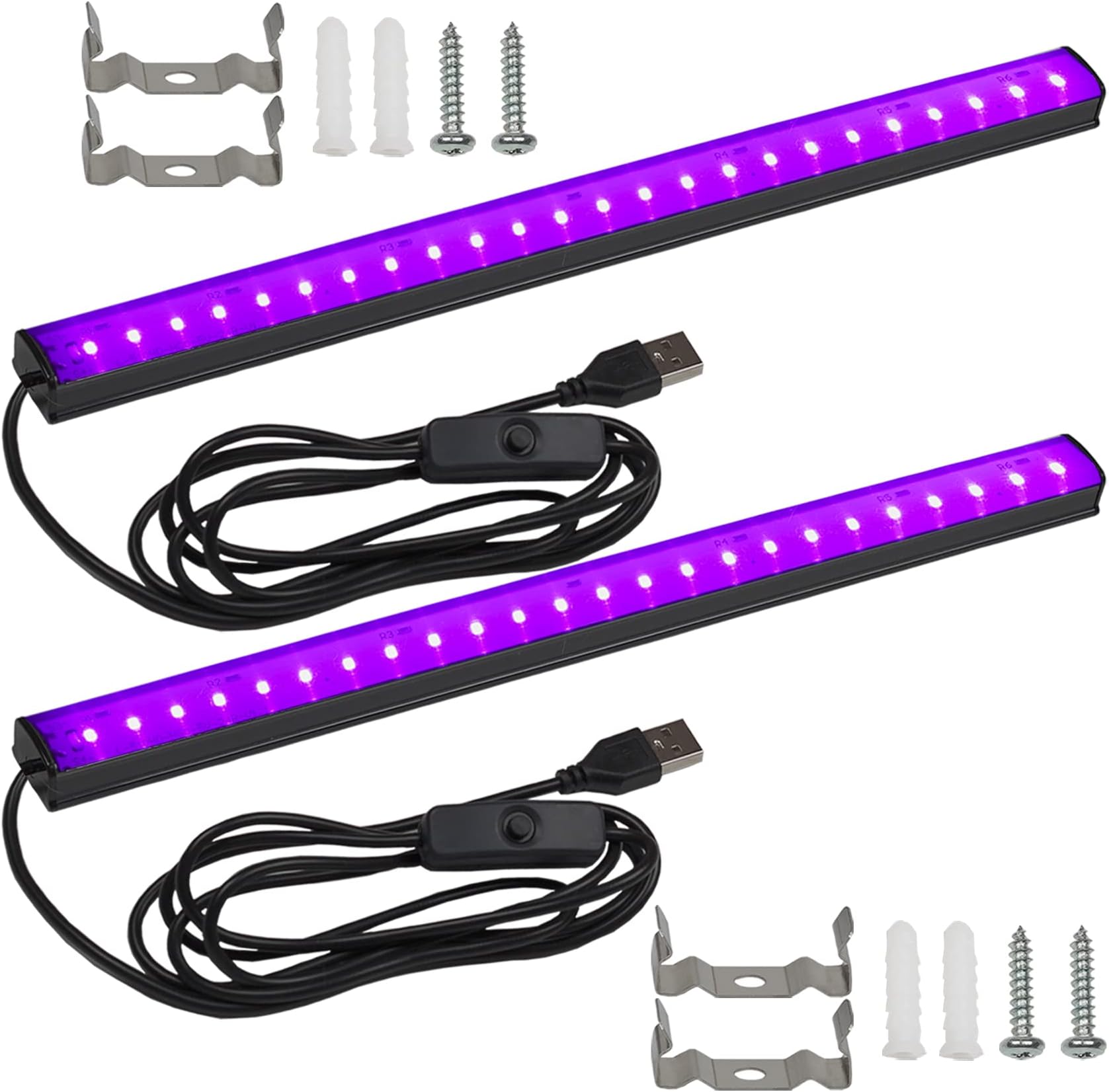
Blacklight is often associated with fluorescent materials, which emit visible light when exposed to UV radiation. The typical blacklight emits a significant amount of UVA radiation, which causes certain materials, such as fluorescent dyes and minerals, to glow. This effect is due to a phenomenon known as fluorescence, where a substance absorbs photons and then re-emits them at a longer wavelength, usually in the visible spectrum.
Applications of UV and Blacklight
The applications of UV and blacklight technology span across various fields, including health, industry, and entertainment. Here are some notable examples:
1. Health and Medicine

UV light has numerous applications in the field of health:
- Sterilization: UVC light is effective at killing bacteria, viruses, and molds, making it a valuable tool in hospitals and laboratories for disinfecting surfaces and instruments.
- Skin Treatment: UVB therapy can treat skin conditions such as psoriasis and eczema by slowing down the growth of skin cells.
- Vitamin D Production: Exposure to UVA and UVB radiation helps the body produce vitamin D, which is essential for bone health.
2. Forensics and Security

Blacklight technology plays a crucial role in forensic science and security:
- Evidence Detection: Many bodily fluids and substances fluoresce under UV light, assisting forensic investigators in crime scene analysis.
- Document Verification: Blacklights are used to detect security features in currency and identification documents, helping to prevent counterfeiting.
3. Entertainment and Art

Blacklight has become a staple in entertainment and art:
- Nightclubs and Parties: Blacklight creates a vibrant atmosphere by making fluorescent colors pop, enhancing the experience of music and dance.
- Art Installations: Many artists use blacklight to create immersive environments that engage viewers in unique ways.
The Biological Effects of UV Radiation
While UV light has beneficial applications, it also poses risks to human health. Understanding these effects is crucial for safe exposure practices.
Positive Effects

UV light can have some positive effects on health:
- Vitamin D Synthesis: Moderate UV exposure enables the body to produce vitamin D, which is vital for maintaining healthy bones and immune function.
- Psychological Benefits: Exposure to sunlight can improve mood and alleviate symptoms of depression.
Negative Effects

However, overexposure to UV radiation can lead to adverse health outcomes:
- Skin Damage: Prolonged exposure to UVA and UVB rays can lead to sunburn, premature aging, and skin cancer.
- Eye Damage: UV radiation can cause conditions such as cataracts and photokeratitis, a painful inflammation of the cornea.
Safety Measures for UV and Blacklight Exposure
To mitigate the risks associated with UV exposure, several safety measures can be employed:
- Use Sunscreen: Apply broad-spectrum sunscreen with a high SPF before sun exposure to protect against UV damage.
- Protective Clothing: Wear hats, sunglasses, and long sleeves to minimize direct skin exposure to UV rays.
- Limit Exposure Time: Avoid prolonged sun exposure, especially during peak hours when UV radiation is strongest.
The Dual Nature of UV and Blacklight
Understanding UV and blacklight reveals a complex interplay between science, health, and technology. While these forms of radiation have numerous beneficial applications ranging from health treatments to art, they also pose risks that necessitate caution. As we continue to explore the properties and effects of UV light, it becomes increasingly important to balance its usage with safety measures to protect our health and well-being. By fostering a deeper understanding of UV and blacklight, we can harness their potential while safeguarding ourselves against their dangers.
In summary, UV light and blacklight are not just party tricks; they are significant scientific phenomena with a wide array of practical applications. Whether in medicine, forensics, or entertainment, the glow of UV and blacklight continues to captivate and inspire, making it an essential area of study and a vital part of our lives.