Raising chickens can be a rewarding endeavor, whether for fresh eggs, pest control, or companionship. However, one of the most important factors to consider in chicken keeping is the location of your chicken coop. The right location can greatly influence the well-being of your flock and the efficiency of your chicken-keeping operation. In this article, we will explore how to choose the best location for your chicken coop, supported by research, examples, and practical tips.
Understanding the Needs of Your Chickens

Before diving into location specifics, it’s essential to understand the basic needs of chickens. Chickens require a safe, comfortable, and healthy environment to thrive. Key factors include:
- Space: Chickens need adequate space to roam and forage. Each bird requires about 4 square feet inside the coop and 10 square feet in an outdoor run.
- Sunlight: Chickens benefit from natural light for at least 14 hours a day, which influences egg production.
- Ventilation: Good airflow helps prevent respiratory issues and keeps the coop dry.
- Protection: Safety from predators is crucial, as chickens are vulnerable to a range of threats including foxes, raccoons, and hawks.
Assessing Your Property

Once you understand the needs of your chickens, the next step is to evaluate your property. Consider the following factors when assessing your land:
1. Topography and Drainage

The topography of your land plays a significant role in water drainage and overall coop health. Choose a location that:
- Is slightly elevated to prevent flooding.
- Has good soil drainage to keep the coop dry.
- Is away from low-lying areas that may collect water.
2. Proximity to Your Home
While you want your chickens to have a comfortable distance from your living area, proximity is also important for convenience. Consider the following:
- A location that is easy to access for daily feeding, cleaning, and egg collection.
- A site that allows for easy observation of the flock.
- A balance between being close enough for convenience but far enough to minimize noise and odor.
3. Sunlight and Shade

Chickens need sunlight for health and egg production, but they also require shade to escape extreme heat. When selecting a location, think about:
- Ensuring the coop receives morning sunlight to help warm it up.
- Providing shaded areas to protect against the hot afternoon sun.
- Using trees or structures to create natural shade.
Evaluating Local Regulations
Before establishing a coop, check your local zoning laws and regulations regarding chicken keeping. Here are some things to look for:
- Permits: Some areas require permits for keeping chickens, especially if you have more than a few birds.
- Setbacks: Regulations may dictate how far your coop must be from property lines or residential structures.
- Noise and Odor: There may be restrictions on noise levels and waste management to prevent disturbances to neighbors.
Designing for Safety and Comfort
Choosing the right location is not just about the physical space; it’s also about designing the coop for the safety and comfort of your chickens. Consider the following design elements:
1. Fencing and Protection

Ensure that your coop is well-fenced to protect against predators. A few tips include:
- Using hardware cloth instead of chicken wire, as it is sturdier and more predator-resistant.
- Burrowing fencing underground to prevent digging predators.
- Installing locks on coop doors to prevent raccoons from opening them.
2. Coop Orientation
The orientation of your coop can significantly impact its temperature and light exposure. Think about:
- Positioning the coop to face south or southeast to maximize sunlight.
- Ensuring proper ventilation by placing windows on opposite walls.
- Designing overhangs or awnings to protect against rain and snow.
Case Studies: Successful Chicken Coop Locations
Understanding how others have successfully located their chicken coops can provide valuable insights. Here are a couple of case studies:
Case Study 1: Urban Homesteader
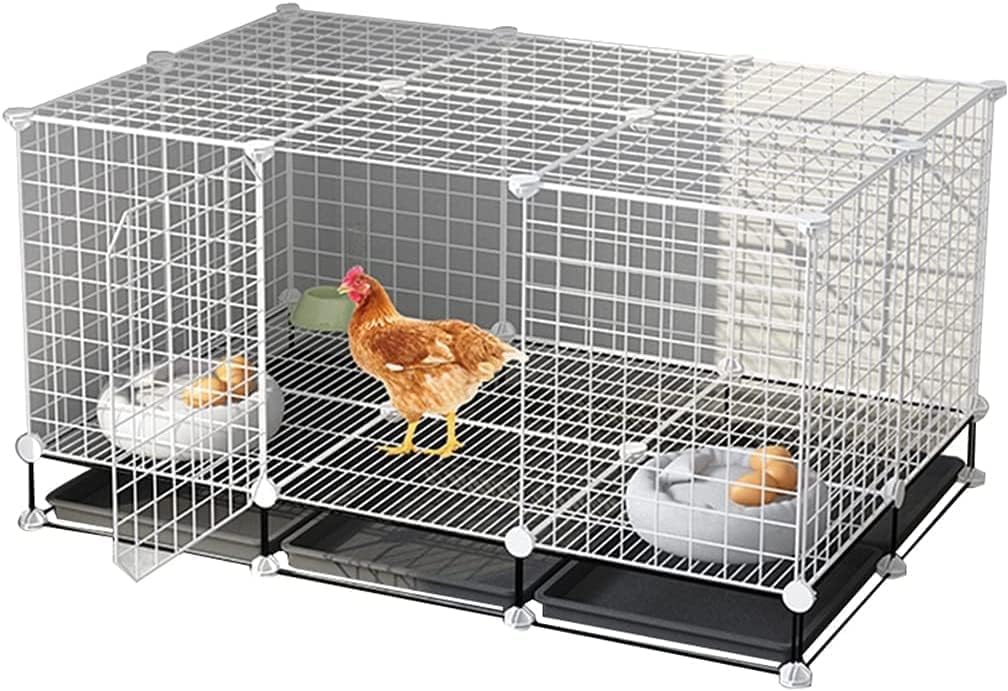
In an urban setting, a family decided to keep chickens in their backyard. They chose a spot near the back fence, away from the house but close enough for easy access. They ensured the area received morning sunlight while providing shade with a nearby tree. Additionally, they installed a sturdy fence to keep predators at bay. Their chickens thrived, and they reported a significant reduction in pest issues in their garden.
Case Study 2: Rural Farmstead
A rural farmer set up a chicken coop on elevated ground to prevent flooding. The coop was positioned near their vegetable garden, allowing for easy composting of chicken waste. They created a large run that provided ample space for the chickens to roam while keeping them protected from local wildlife. The farmer noted improved egg production and healthier birds due to the careful selection of the coop location.
Statistics on Chicken Keeping and Location
Research shows that proper location and management can significantly influence chicken health and productivity. According to a study by the University of California, chickens that were given access to sunlight produced 20% more eggs than those kept in the shade. Additionally, a survey conducted by the American Poultry Association found that backyard chicken owners who implemented adequate predator protection reported a 30% lower loss rate in their flock.
Key Takeaways for Your Chicken Coop Location
Choosing the right location for your chicken coop is crucial for the health and productivity of your flock. By understanding the needs of your chickens, assessing your property, evaluating local regulations, and designing for safety and comfort, you can create an ideal environment for your birds. Remember to consider factors like drainage, sunlight, and accessibility, while also learning from successful case studies and statistical data.
In summary, a well-placed chicken coop will not only benefit your chickens but will also enhance your experience as a backyard poultry keeper. Take the time to plan and execute a thoughtful location choice, and you will reap the rewards of a happy, healthy, and productive flock.