The rivalry between Ford and Chevrolet (Chevy) has been a cornerstone of American automotive culture for decades. This competition extends beyond engine performance and design aesthetics; it also encompasses aspects such as wheel fitment. Understanding the differences in wheel fitment between Ford and Chevy vehicles is crucial for car enthusiasts, mechanics, and everyday drivers alike. This article will delve into the nuances of wheel fitment between these two automotive giants, providing valuable insights into compatibility, measurements, and aftermarket options.
Understanding Wheel Fitment
Before diving into the specific differences between Ford and Chevy, it’s essential to understand what wheel fitment entails. Wheel fitment refers to the compatibility of wheels with a vehicle, which includes several factors:
- Bolt Pattern: The configuration of the holes that attach the wheel to the hub.
- Offset: The distance between the wheel’s centerline and the mounting surface.
- Backspacing: The distance from the mounting surface to the back edge of the wheel.
- Diameter and Width: The size of the wheel, which affects handling and aesthetics.
These factors collectively determine whether a wheel will fit a specific vehicle model without causing issues like rubbing against the suspension or brake components.
Ford Wheel Fitment Standards

Ford vehicles, known for their durability and performance, have their own set of fitment specifications that vary across different models and years. Understanding these standards can help owners and enthusiasts choose the right wheels for their Ford vehicles.
Bolt Patterns
Ford vehicles typically utilize several bolt patterns depending on the model and year:
- 5×114.3 mm: Commonly found in models like the Ford Mustang and Ford Fusion.
- 5×135 mm: Standard for full-size trucks such as the Ford F-150.
- 6×135 mm: Used in larger Ford SUVs and trucks, including the Expedition.
Offset and Backspacing

Offset can vary significantly across different Ford models:
- Positive Offset: Common in front-wheel-drive vehicles, where the hub mounting surface is closer to the front of the wheel.
- Negative Offset: Seen in some older models and custom builds, where the hub mounting surface is closer to the back of the wheel.
Backspacing also varies, but most Ford vehicles have a backspacing measurement that aligns with their respective wheel widths.
Chevy Wheel Fitment Standards
Chevrolet, like Ford, offers a diverse range of vehicles, each with unique wheel fitment specifications. Understanding these standards is vital for ensuring compatibility when replacing or upgrading wheels.
Bolt Patterns
Chevy vehicles also feature various bolt patterns, including:
- 5×120 mm: Predominantly found in models like the Chevy Camaro and Impala.
- 6×139.7 mm: Common in Chevy trucks such as the Silverado.
- 5×127 mm: Seen in some older Chevy models and crossover vehicles.
Offset and Backspacing

Chevy vehicles generally have positive offsets, especially in front-wheel-drive models. However, the specific offset and backspacing can differ based on the model and intended use:
- Positive Offset: Common in most modern Chevy vehicles.
- Negative Offset: Typically seen in some off-road or performance applications.
Key Differences in Wheel Fitment
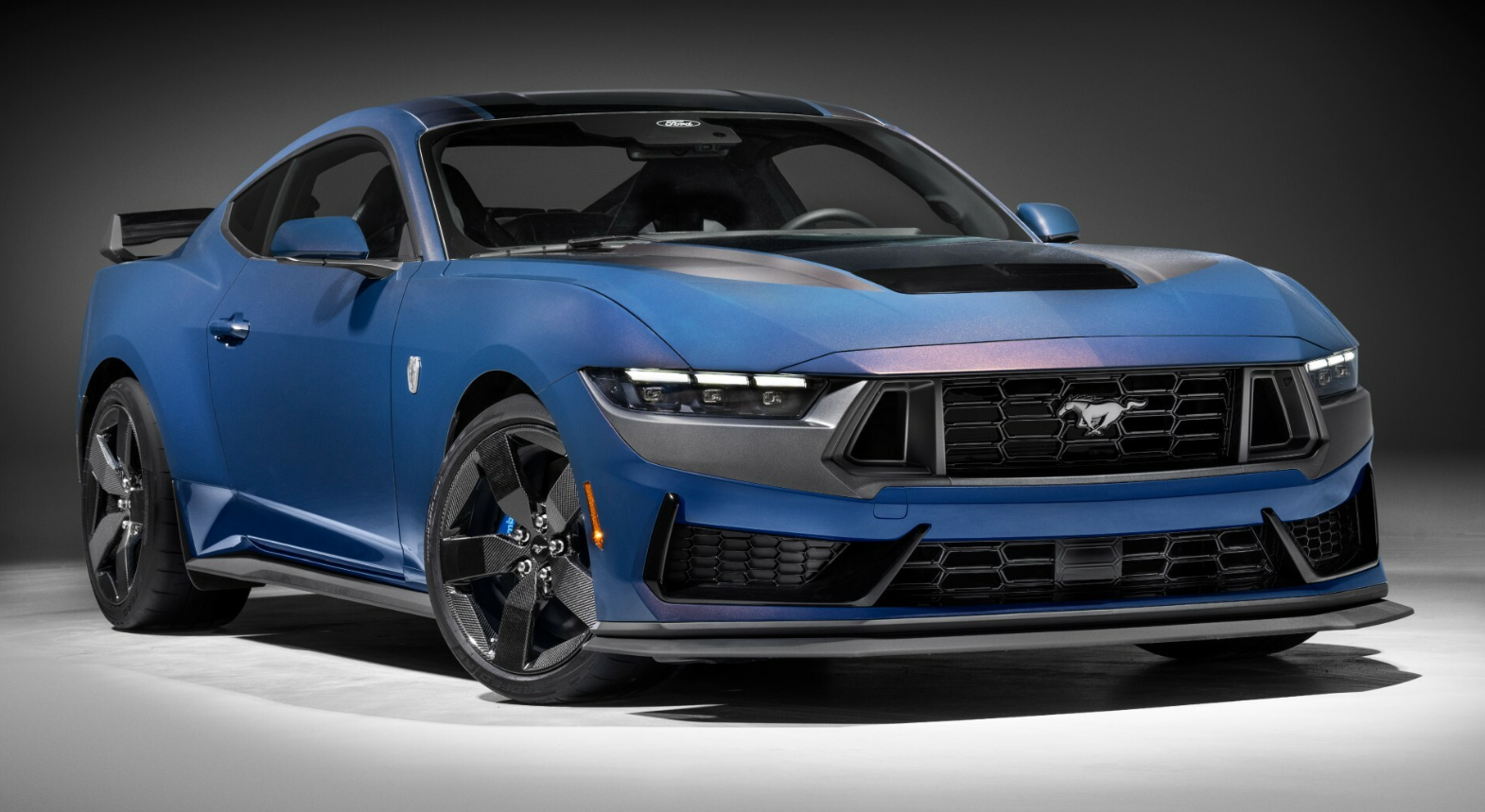
With an understanding of the fitment standards for both Ford and Chevy, we can now explore the key differences between the two brands:
- Bolt Patterns: Ford and Chevy frequently have different bolt patterns, which can lead to incompatibility unless adapters are used.
- Offset Variability: While both brands use positive offsets predominantly, the specific measurements can vary, often necessitating careful planning for custom wheels.
- Aftermarket Availability: Both Ford and Chevy have extensive aftermarket support, but the availability of specific styles and sizes can differ. Chevy enthusiasts often find a wider range of options in certain performance segments.
Case Studies: Real-World Applications
To illustrate the importance of understanding wheel fitment differences, let’s look at a couple of real-world applications where these specifications play a crucial role.
Case Study 1: The Ford F-150 vs. Chevy Silverado

The Ford F-150 and Chevy Silverado are two of the best-selling trucks in America, and they each have unique wheel fitment needs:
- The F-150 typically uses a 5×135 mm bolt pattern, while the Silverado uses a 6×139.7 mm pattern.
- Owners of both trucks often seek aftermarket wheels for aesthetics and performance, but compatibility is a critical concern.
Many truck owners have turned to custom shops to design wheels that fit both brands, leading to a greater understanding of the differences in specifications.
Case Study 2: The Performance Scene
The performance automotive scene is another area where wheel fitment differences are crucial:
- Ford Mustangs often feature wider wheel sizes compared to Chevy Camaros of similar vintage.
- Enthusiasts looking to swap wheels between these models must consider the offset and backspacing to avoid issues during performance driving.
The Importance of Wheel Fitment Knowledge
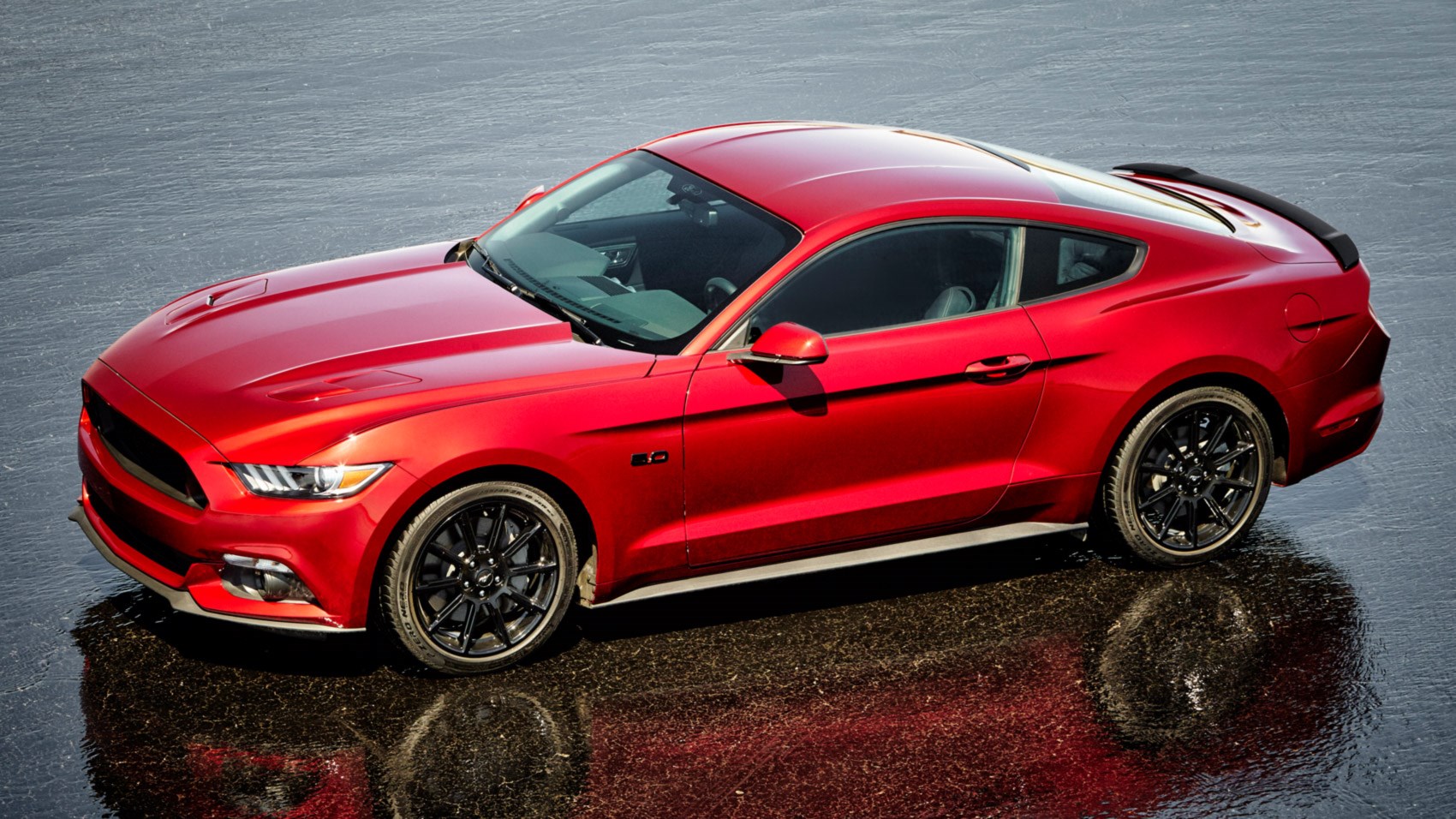
In conclusion, the differences in wheel fitment between Ford and Chevy vehicles are significant and multifaceted. Understanding these differences is essential for anyone looking to upgrade, replace, or customize their wheels. Key factors such as bolt patterns, offset, and backspacing all play a crucial role in ensuring compatibility and performance. By gaining insights into the specifics of each brand, car enthusiasts can make informed decisions that enhance their vehicle’s performance and aesthetics.
Whether you are a Ford loyalist or a Chevy enthusiast, knowledge of wheel fitment can help you navigate the vast aftermarket landscape, ensuring that you choose the right wheels for your vehicle. As the automotive industry continues to evolve, staying informed about these differences will remain a vital aspect of car ownership and customization.