The narrative of “Gladiator,” both in its cinematic and literary forms, explores profound themes that resonate deeply with the human experience. Central to this tale is the concept of honor, a powerful motivator that drives characters to confront formidable challenges. This article delves into the key themes surrounding honor in “Gladiator,” examining how they manifest through the characters, their relationships, and the larger societal context of ancient Rome.
The Concept of Honor in Ancient Rome

Honor in ancient Rome was not merely a personal virtue; it was a societal expectation that defined one’s status and respect within the community. The following aspects illustrate how honor was perceived:
- Social Status: Honor was often tied to one’s rank and achievements. High-ranking individuals were expected to uphold their family’s legacy.
- Military Valor: Acts of bravery and success in battle were celebrated, reinforcing the idea that honor could be earned through courageous deeds.
- Public Reputation: A person’s honor was closely linked to their reputation in public life, influencing their political and social interactions.
In “Gladiator,” these elements of Roman honor are intricately woven into the fabric of the narrative, influencing the characters’ motivations and decisions profoundly.
Maximus: The Embodiment of Honor
Maximus Decimus Meridius, the protagonist of “Gladiator,” exemplifies the ideals of honor throughout the story. His journey from a respected general to a betrayed slave reveals the complexities of honor in a corrupt society.
Key aspects of Maximus’s portrayal of honor include:
- Loyalty to Rome: Maximus fights not merely for his survival but for the honor of Rome, reflecting his deep commitment to the values of the Republic.
- Personal Honor: His downfall stems from his unwavering adherence to his principles, even in the face of betrayal by Emperor Commodus.
- Vengeance for Justice: Maximus’s quest for revenge against Commodus is not just personal; it symbolizes a fight for justice and the restoration of honor to the Roman Empire.
Commodus: The Corruption of Honor

In stark contrast to Maximus, Commodus represents the perversion of honor. His character illustrates how power can corrupt and distort the true meaning of honor.
Commodus’s actions highlight the following themes:
- Inherited Power: Commodus’s claim to honor is based on his lineage rather than merit. This distinction emphasizes the difference between earned and inherited honor.
- Self-Serving Ambition: His ruthless ambition leads him to commit heinous acts, including the murder of his father, demonstrating how the pursuit of power can undermine true honor.
- Public Manipulation: Commodus attempts to win the admiration of the public through gladiatorial combat, showcasing a distorted view of honor that equates spectacle with virtue.
The Role of Honor in Relationships
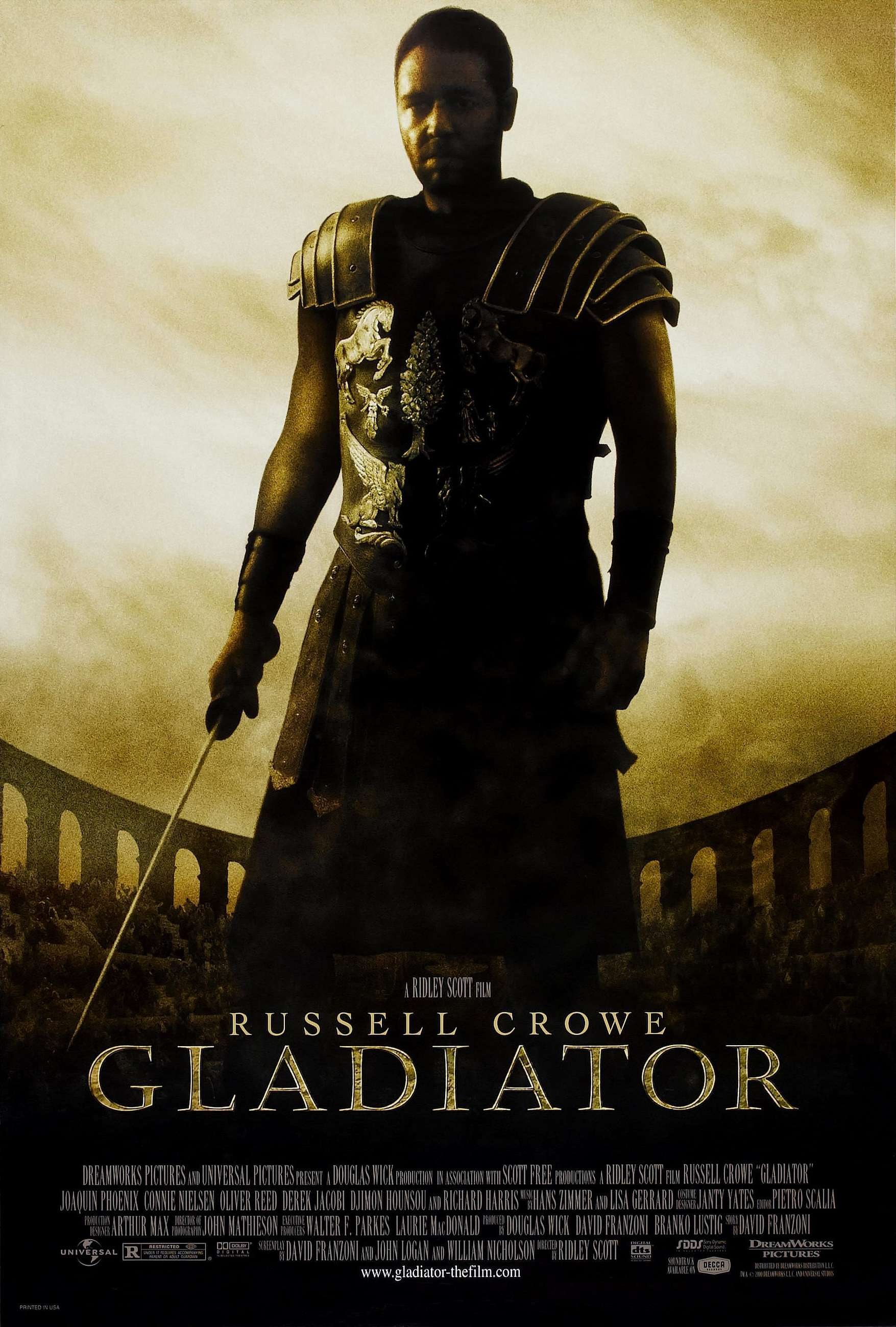
Honor is not solely an individual pursuit; it also plays a crucial role in the relationships between characters in “Gladiator.” The bonds formed through shared values of honor deepen the narrative and enhance character development.
Key relationships influenced by honor include:
- Maximus and his Family: Maximus’s love for his family serves as a powerful motivator for his actions, underscoring the idea that honor extends to one’s loved ones.
- Maximus and Juba: The friendship between Maximus and Juba, a fellow gladiator, represents mutual respect and loyalty, illustrating how honor can forge strong bonds even in the direst circumstances.
- Maximus and Lucilla: The relationship between Maximus and Lucilla reflects a shared understanding of honor and sacrifice, adding depth to their characters and motivations.
Honor and the Gladiatorial Arena

The gladiatorial arena serves as a poignant backdrop for the exploration of honor. Here, the concept is both celebrated and challenged. Gladiators, like Maximus, fight not only for survival but also for their own sense of honor.
Key themes regarding honor in the arena include:
- Honor in Combat: Gladiators are often celebrated for their bravery and skill in battle, which elevates their status among the populace.
- Public Spectacle vs. Personal Honor: The arena transforms honor into a form of entertainment, raising questions about the morality of glorifying violence for public amusement.
- Redemption through Battle: For many gladiators, the arena offers a chance for redemption, where they can reclaim their honor through acts of valor.
Honor as a Catalyst for Change
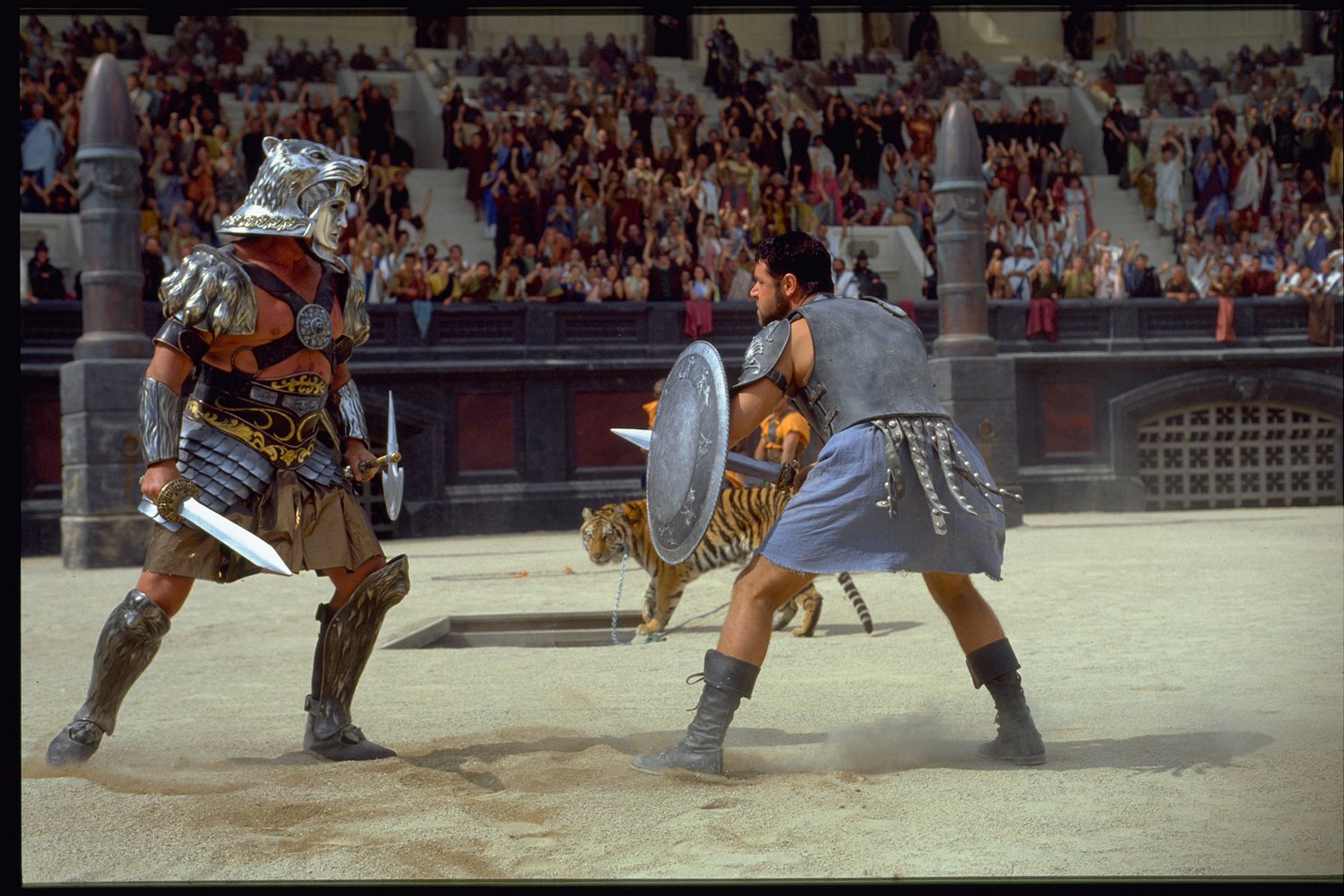
Honor plays a pivotal role in driving the narrative forward, particularly in terms of social and political change. Maximus’s quest for vengeance and justice catalyzes a larger movement that seeks to restore honor to Rome.
Key points regarding honor as a catalyst include:
- Revolutionary Potential: Maximus becomes a symbol of hope for the oppressed, inspiring those around him to fight for a return to the Republic’s values.
- Challenging the Status Quo: The struggle against Commodus represents a broader challenge to tyranny, emphasizing the importance of honor in governance.
- Legacy of Honor: The pursuit of honor ultimately shapes the legacy of characters, impacting the future of Rome and its ideals.
The Enduring Legacy of Honor in Gladiator
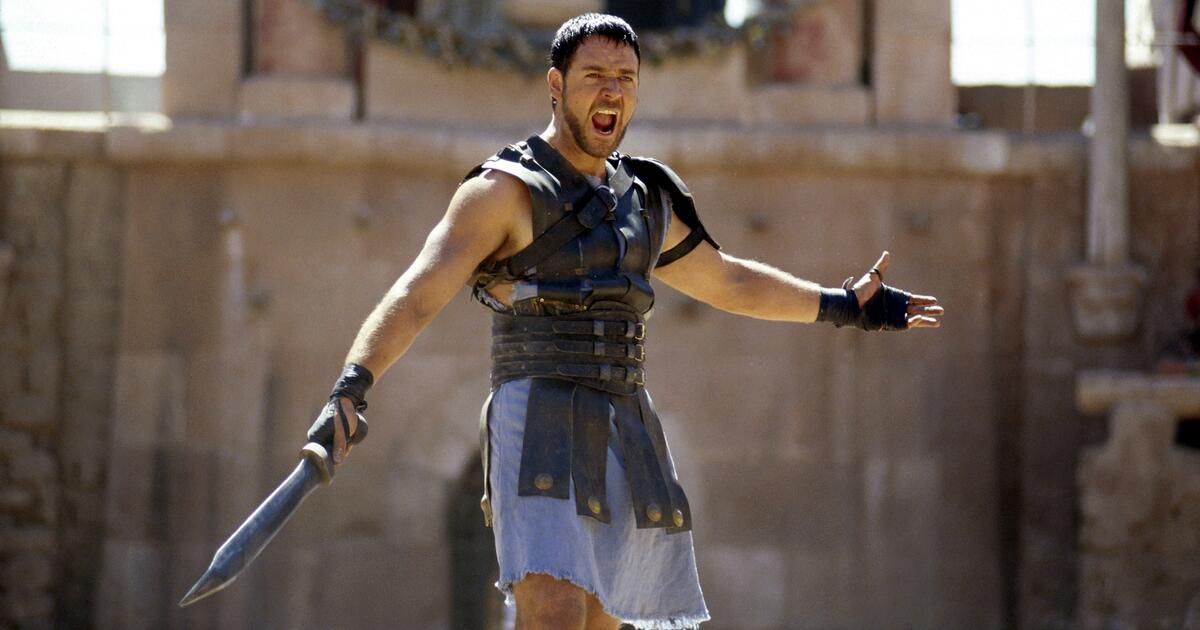
The themes of honor in “Gladiator” are intricately woven into the narrative, shaping character motivations, relationships, and societal dynamics. Through the contrasting portrayals of Maximus and Commodus, the story examines the complexities of honor in ancient Rome, illustrating how it can be both a guiding principle and a source of corruption.
Ultimately, “Gladiator” serves as a powerful reminder of the enduring significance of honor in our lives. It challenges us to reflect on our values, relationships, and the societal structures we inhabit. The fight for honor—whether in the face of personal loss or systemic injustice—remains a timeless struggle that resonates across cultures and eras.
As we engage with these themes, we are encouraged to uphold the principles of honor, integrity, and justice, much like Maximus did, and to challenge the forces that seek to undermine them, ensuring that the legacy of honor endures for future generations.