In recent years, the use of wiffle balls has gained popularity in youth softball training and development. These lightweight, plastic balls are designed to mimic the trajectory of a traditional softball while being easier to handle and throw. This article explores the various ways in which wiffle balls contribute to the development of young softball players, including skill enhancement, safety benefits, and overall enjoyment of the sport.
Understanding Wiffle Balls
Wiffle balls are perforated plastic balls that are lighter and softer than traditional softballs. Their design allows for a unique flight pattern, making them ideal for practicing various skills in a controlled environment. The following characteristics make wiffle balls a valuable training tool:
- Lightweight: Wiffle balls weigh significantly less than regular softballs, making them easier for young players to throw and hit.
- Flight Control: The holes in wiffle balls cause them to curve and change direction mid-flight, simulating different pitch types.
- Safe for Practice: Their soft exterior reduces the risk of injury during practice sessions, making them suitable for indoor and outdoor use.
Skill Development Through Wiffle Ball Training
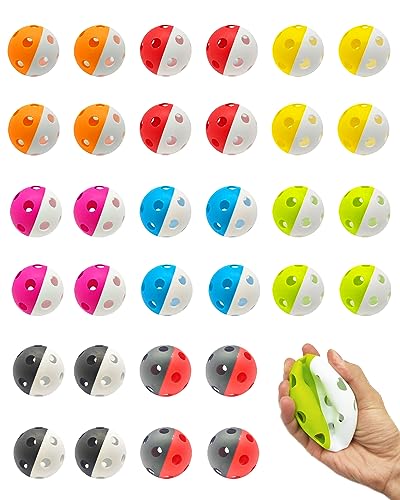
The primary benefit of incorporating wiffle balls into youth softball practice lies in the enhancement of fundamental skills. These skills include pitching, hitting, and fielding, all of which can be improved through targeted drills using wiffle balls.
1. Pitching Mechanics
Wiffle balls allow young pitchers to experiment with different grips and pitches without the fear of hurting themselves or others. The lightweight nature of the ball encourages proper mechanics, as players can focus on their form without the strain of throwing a heavier ball. Coaches often utilize wiffle balls in the following ways:
- Developing Control: Pitchers can practice throwing strikes and mastering their aim.
- Experimenting with Pitches: Young pitchers can try various pitch types, such as curves and sliders, to see how the ball behaves.
2. Hitting Skills
Hitting is another critical area where wiffle balls excel. The unique flight pattern of the ball allows players to practice timing and hand-eye coordination. Here are some ways wiffle balls enhance hitting skills:
- Improving Timing: Players can focus on their swing mechanics without the pressure of a game setting.
- Adjusting to Different Pitches: The unpredictable flight of a wiffle ball helps players learn to adjust their swings based on pitch type.
3. Fielding Practice

Fielding is often overlooked in youth softball training, but wiffle balls can make it an engaging part of practice. The lightweight nature allows for various drills that improve reaction time and glove skills:
- Quick Reflex Drills: Players can practice catching and fielding at different angles and speeds.
- Team Drills: Coaches can set up drills that encourage teamwork and communication.
Safety Considerations
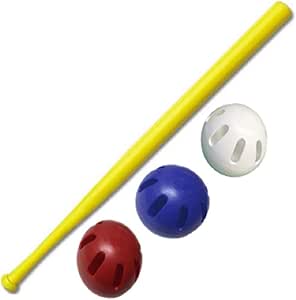
One of the most significant advantages of using wiffle balls in youth softball development is safety. Traditional softballs can cause injuries if thrown or hit incorrectly. Wiffle balls reduce these risks due to their softer material and lighter weight.
Coaches and parents can feel more comfortable allowing younger players to practice with wiffle balls for the following reasons:
- Reduced Injury Risk: The soft nature of wiffle balls minimizes the likelihood of bruises or cuts.
- Indoor Practice Opportunities: Wiffle balls can be used indoors, allowing for year-round training without the risk of damaging property.
Enhancing Enjoyment and Engagement
Incorporating wiffle balls into training not only helps develop skills but also enhances the enjoyment of the sport. Young players often find wiffle ball practice fun and less intimidating than traditional drills.
1. Game-like Scenarios
Wiffle balls allow coaches to create game-like scenarios in practice, which helps players develop their situational awareness. For instance:
- Small-sided Games: Coaches can set up mini-games that require players to make quick decisions.
- Target Practice: Players can aim for specific targets, promoting a sense of competition and fun.
2. Social Interaction

Practicing with wiffle balls fosters social interaction among players. The relaxed environment encourages teamwork and camaraderie, which are essential aspects of youth sports. Young athletes are more likely to enjoy training sessions when they can share experiences with their peers.
Case Studies and Real-World Examples

Many youth softball leagues have adopted wiffle balls as part of their training regimen with positive outcomes. For example, the XYZ Youth Softball League reported:
- Increased Skill Levels: Players showed a marked improvement in their hitting and pitching skills within three months of using wiffle balls regularly.
- Higher Retention Rates: The league observed a 20% increase in player retention, attributing it to the enjoyable training sessions involving wiffle ball practices.
Statistics Supporting Wiffle Ball Training

A study conducted by the National Youth Sports Safety Foundation highlighted the benefits of using alternative training tools like wiffle balls:
- 75% of Coaches: Reported improved player confidence when practicing with wiffle balls compared to traditional softballs.
- 80% of Players: Indicated that they enjoyed practice more when wiffle balls were included in drills.
The impact of wiffle balls on youth softball development is multifaceted, encompassing skill enhancement, safety considerations, and increased enjoyment of the sport. By integrating wiffle balls into training programs, coaches can provide a fun, engaging, and effective way for young athletes to develop essential softball skills. As youth sports continue to evolve, wiffle balls represent a valuable tool for fostering a love for the game while ensuring that players develop the skills they need to succeed. Ultimately, the use of wiffle balls in youth softball is not merely about improving performance; it’s about creating a positive and enjoyable experience that encourages young players to thrive both on and off the field.